



Key Differences Between High Voltage and Low Voltage: Insights from China Suppliers
Understanding the distinction between high voltage and low voltage is essential for successful electrical projects. High voltage systems, typically exceeding 1000 volts, are designed for efficient long-distance energy transmission, whereas low voltage systems, operating below 1000 volts, are suited for everyday uses such as household appliances. At WUXI SHUHONG MACHINERY TECHNOLOGY CO., LTD., we provide high-quality machinery tailored for both high and low voltage applications. Our advanced manufacturing processes ensure compliance with industry standards, giving you confidence in our reliable solutions. Choose us to optimize the safety and performance of your equipment and enhance your projects.

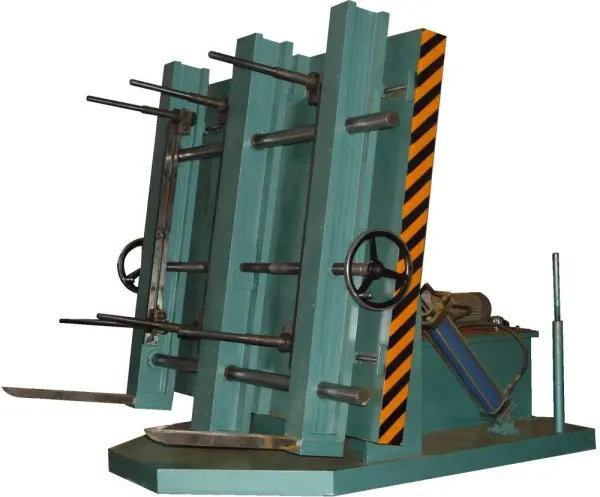
How-To Guide Difference Between High Voltage And Low Voltage Supplier Is The Best
Understanding the distinctions between high voltage and low voltage suppliers is crucial for global buyers seeking reliable machinery solutions. High voltage suppliers typically provide equipment capable of handling voltages above 1,000 volts, often used in industrial applications that require substantial power, such as energy generation and large-scale manufacturing. On the other hand, low voltage suppliers cater to applications under 1,000 volts, which are commonly utilized in residential, commercial buildings, and smaller manufacturing processes.
When selecting a supplier, factors such as safety standards, performance reliability, and technological innovation are paramount. High voltage machinery must adhere to stringent safety regulations due to the inherent risks associated with higher energy levels. Similarly, low voltage equipment requires adherence to safety protocols but generally appears to have fewer associated risks, making them more accessible for various applications. As the machinery industry evolves with emerging technologies, choosing a supplier committed to innovation and quality can significantly impact operational efficiency and long-term success.
Ultimately, understanding the right supplier for your needs—high voltage versus low voltage—can empower organizations to harness advanced machinery tailored to their operational requirements. By aligning with suppliers who prioritize technological advancement and quality service, businesses can not only enhance productivity but also contribute to a sustainable energy future.
How-To Guide Difference Between High Voltage And Low Voltage Supplier Is The Best
| Criteria | High Voltage Supplier | Low Voltage Supplier |
|---|---|---|
| Voltage Range | Above 1000V | Up to 1000V |
| Applications | Power transmission, industrial systems | Residential, commercial, and small industrial systems |
| Safety Standards | More stringent due to higher risks | Moderate safety measures |
| Installation Cost | Higher due to complexity | Lower and simpler installation |
| Market Demand | Growing in renewable energy sectors | Steady demand in construction and home building |
| Maintenance Requirements | Regular maintenance by skilled professionals | Less frequent maintenance needed |
| Regulatory Compliance | Must comply with international standards | Standard local regulations apply |
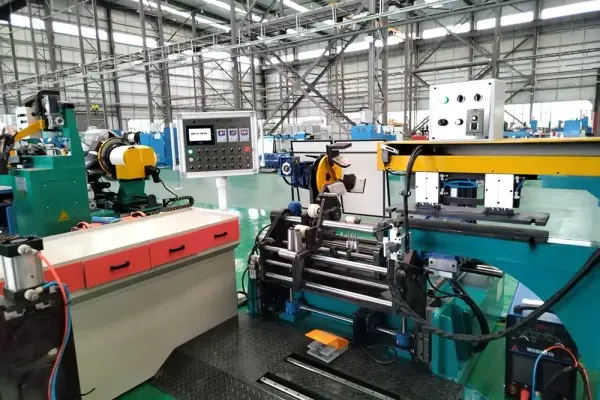
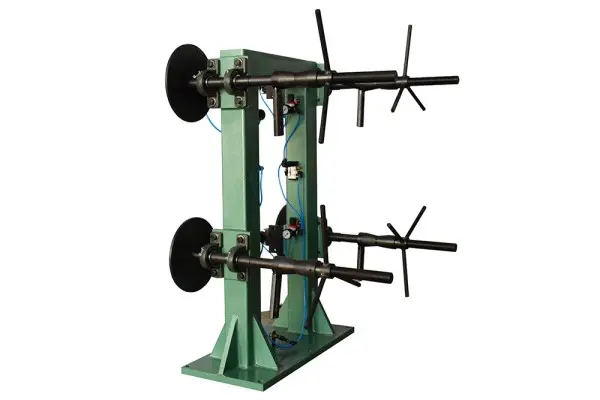
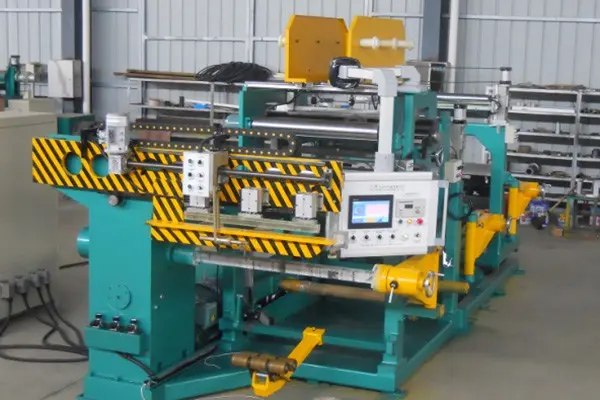
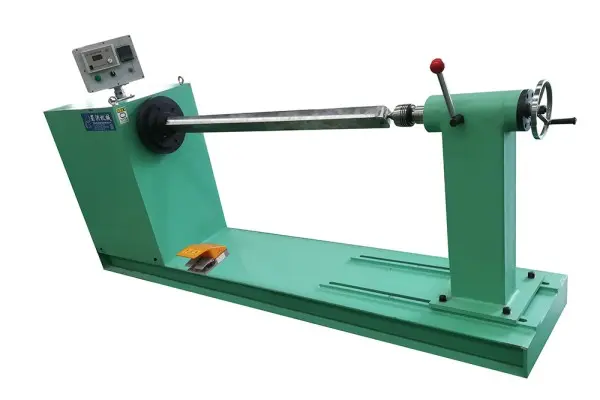
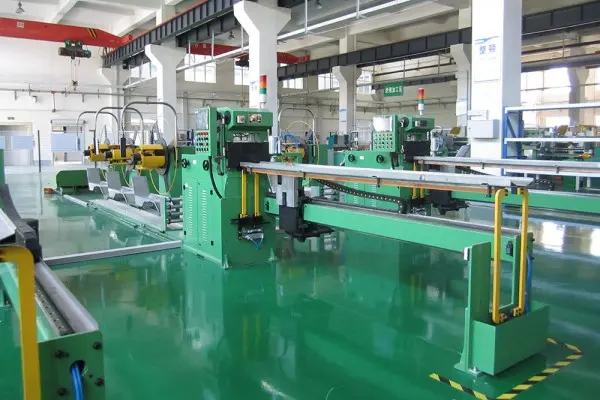
Trending Difference Between High Voltage And Low Voltage Winning in 2025 Outperforms the Competition
M
Mia Rodriguez
The product has exceeded my expectations in quality. The after-sales team was very professional and addressed my questions effortlessly.
12
September
2025
S
Scarlett Scott
Top quality! I truly appreciated the professional and friendly assistance from the after-sales service team.
11
August
2025
A
Aiden Hall
Outstanding quality! The post-purchase support provided was remarkably professional and efficient.
28
August
2025
M
Mia Sanchez
Such a great purchase! The quality of the item is exceptional, and the support was very professional and friendly.
28
August
2025
E
Ella Cook
Incredible quality on this item! The customer service staff were very knowledgeable and professional in addressing my needs.
28
September
2025
J
James Anderson
I am thoroughly impressed with the quality of the product. The attention to detail is remarkable, and the after-sales support was exceptional. Highly recommend!
27
September
2025