


0102030405
Can Emerging Markets Like Southeast Asia and the Middle East Become the Next Growth Driver for the Foil Winding Machine Industry?
2025-11-29
Introduction: The Shifting Landscape of the Foil Winding Machine Industry
The global foil winding machine industry, which is a really important part of making coil winding equipment, is at a key turning point right now. For ages, most of the demand has come from traditional markets such as North America, Europe, and China. But things are changing. Growing trade tensions, disruptions in supply chains, and shifting global policies are all altering the direction this industry is heading in.
Now, emerging markets, especially Southeast Asia and the Middle East, are in a good spot and could potentially become the next big drivers of growth. This article is gonna take a look at the opportunities, challenges, and what companies in this industry need to do strategically if they want to make the most of these fast-changing regions.
Market Dynamics: Traditional vs. Emerging Regions
Established Markets: Saturation and Challenges
Mature markets such as North America and Europe have long dominated the foil winding machine landscape. According to industry reports, the top five global manufacturers currently hold about 33% of the market share, with fully automated machines accounting for over 70% of product segments . However, these regions are facing headwinds, including market saturation, stringent regulatory environments, and the impact of U.S. tariff policies on Chinese exports. For instance, rising export costs have compelled Chinese manufacturers to rethink their global supply chain strategies .
Meanwhile, the global coil winding equipment market is projected to grow at a CAGR of 7.5%, reaching $10.78 billion by 2037 . While Asia-Pacific (excluding China) is expected to capture 35% of the market share by 2037, traditional markets are seeing slowing growth rates due to industrial maturity and shifting investment priorities .
Emerging Markets: The New Frontier
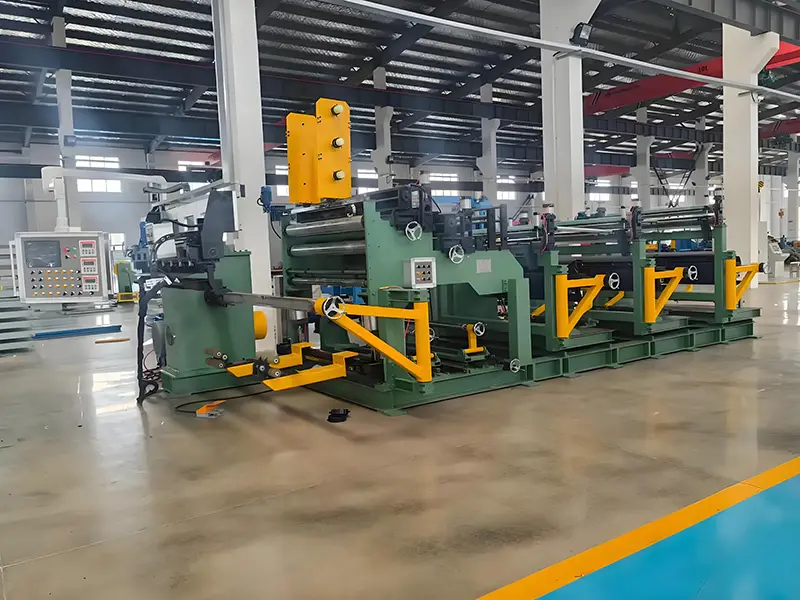
Southeast Asia and the Middle East are rapidly gaining attention as viable alternatives. Key factors driving this shift include:
Industrialization and Infrastructure Development: Southeast Asian nations like Vietnam, Thailand, and Indonesia are aggressively promoting manufacturing as part of their "Industry 4.0" initiatives. The region has seen a 319% increase in annual investments in industrial automation from 2011 to 2022 . Similarly, the Middle East is diversifying its economy through projects like Saudi Arabia’s Vision 2030, which targets 10% of electricity from wind energy by 2030 . These initiatives directly boost demand for high voltage foil winding machines used in transformers and grid systems.
Renewable Energy Investments: The global push for renewables is a significant catalyst. For example, the Middle East plans to achieve 100% clean energy in the UAE by 2027, necessitating advanced coil winding equipment for transformers, inductors, and capacitors . In Southeast Asia, solar and wind projects are driving demand for low voltage wire winding machines for consumer electronics and automotive components .
Supply Chain Diversification: To mitigate geopolitical risks, companies are adopting "regional manufacturing center + localized production" models. For instance, Chinese firms are establishing factories in Vietnam and Malaysia to bypass tariffs and leverage cost-effective labor .
Technical Innovations: Meeting Diverse Market Needs
High Voltage Foil Winding Machines
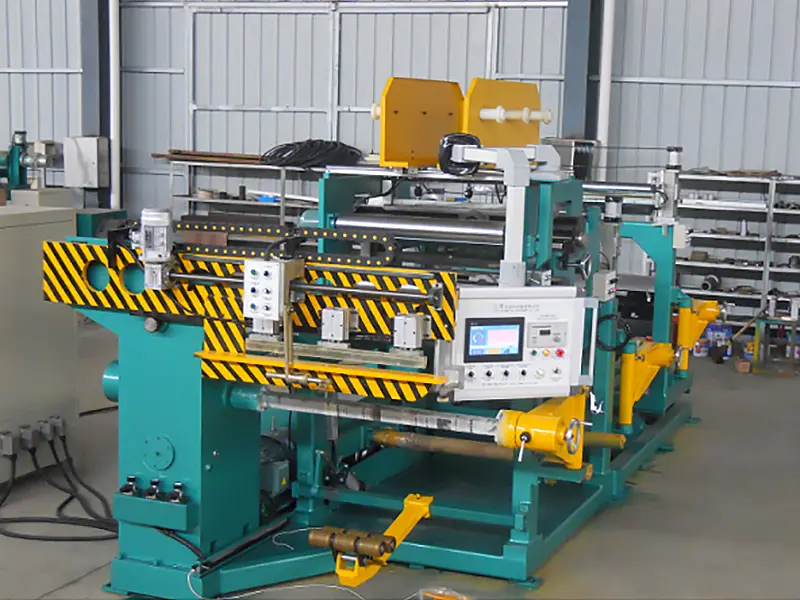
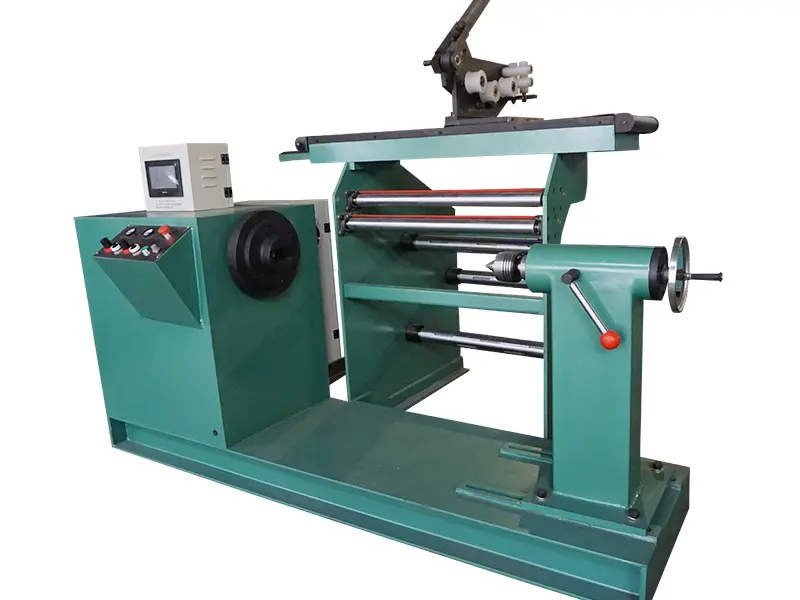
High voltage foil winding machines are critical for applications in energy transmission, power transformers, and industrial machinery. In the Middle East, grid modernization projects—such as the $86.3 million contract between Hyundai Electric America and AEP for 3,500 distribution transformers—are fueling demand for precision-engineered winding systems . Recent advancements focus on reducing winding loss and improving power density, as seen in designs incorporating quasi-distributed air gaps to optimize magnetic flux distribution .
Low Voltage Wire Winding Machines
In Southeast Asia, the electronics and automotive sectors are driving demand for low voltage wire winding machines. These machines cater to components like sensors, EV charging modules, and consumer gadgets. For example, the region’s electronics industry, which contributes 30% to the global coil winding machine market, relies on automated systems for high-volume production . Innovations such as Continuous Hairpin Winding (CHW) technology are also gaining traction for their ability to enhance efficiency in electric vehicle motors .
Challenges in Tapping Emerging Markets
Infrastructure and Compliance Gaps: Unlike mature markets, Southeast Asia and the Middle East lack standardized regulatory frameworks for industrial equipment. Variations in voltage standards, safety certifications, and customs procedures can delay market entry.
Technical Adaptation: Coil winding equipment must be customized to local environmental conditions. For instance, humidity and dust in tropical regions can impact machine performance, necessitating robust designs .
Competition and Localization Pressure: Global players like Transwind Technologies and Lae Srl face competition from local manufacturers offering cost-effective solutions. Successful market penetration requires collaborations with regional distributors or joint ventures .
Strategic Pathways for Industry Players
Product Localization: Develop modular foil winding machines that can be easily reconfigured for diverse applications, from dry-type transformers in the Middle East to compact inductors in Southeast Asia’s electronics hubs.
Supply Chain Resilience: Establish regional assembly hubs in Malaysia or the UAE to reduce logistics costs and tariff dependencies. For example, Chinese firm Shanghai Honghua has expanded its production footprint in Thailand to serve ASEAN markets .
Technology Transfer: Partner with local research institutions to address technical challenges, such as designing high voltage foil winding machines resistant to extreme temperatures.
The Future Outlook: Sustainability and Digitalization
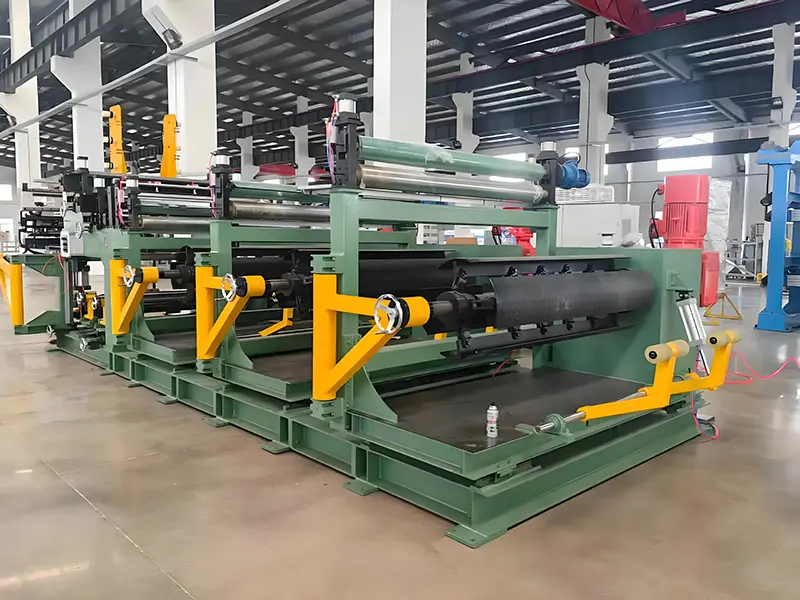
The long-term growth of the foil winding machine industry in emerging markets will hinge on two trends:
Sustainability: As renewables dominate energy investments, demand for eco-friendly coil winding equipment will rise. Machines compatible with recyclable materials (e.g., paper-insulated foil windings) will gain prominence.
Digital Integration: Smart foil winding machines embedded with IoT sensors for predictive maintenance will become standard, aligning with Industry 4.0 goals in Southeast Asia and the Middle East.
Conclusion: A Balanced Growth Strategy
Emerging markets like Southeast Asia and the Middle East undeniably offer transformative opportunities for the foil winding machine industry. However, success will require a nuanced approach—balancing localization with global standards, innovating for diverse technical requirements, and navigating regulatory complexities. For stakeholders, the time to act is now: these regions are not just alternatives but essential components of future growth strategies.