


0102030405
Can Transformer Winding Machines Swiftly Adapt to New Scenario Demands?
2025-11-04
Introduction: The Evolutionary Pressure on Transformer Winding Technology
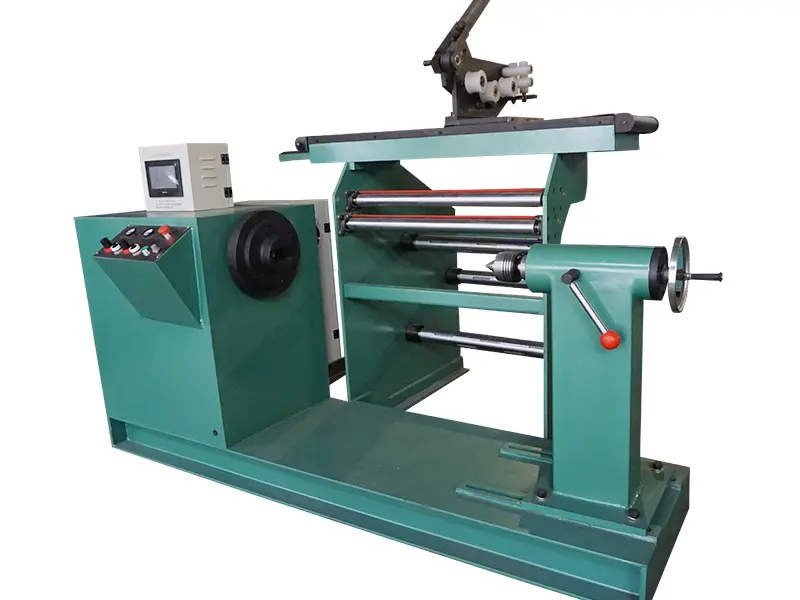
The worldwide market for transformer winding machines is going through a massive change. With industries like renewable energy, electric vehicles (EVs), and smart grid systems getting bigger, there's been a huge jump in demand for specialized equipment for winding transformers. This includes coil winding machines, rewinding setups, and all sorts of automated winding gear. Experts say that by 2025, the market will be worth $1.5 billion, and it'll keep growing at an annual rate of 8.5% all the way up to 2033. This growth isn't just about more sales; it's also about big improvements in technology. Now, manufacturers have to deal with two tough tasks: meeting strict efficiency rules and making their products work for all sorts of specific uses, from small EV transformers to parts for super-high-voltage power grids.
This article explores how transformer winding machines are evolving to address emerging demands, focusing on automation, material innovation, and customization.
1. Automation and Robotics: The Backbone of Modern Winding
The Rise of Fully Automated Systems
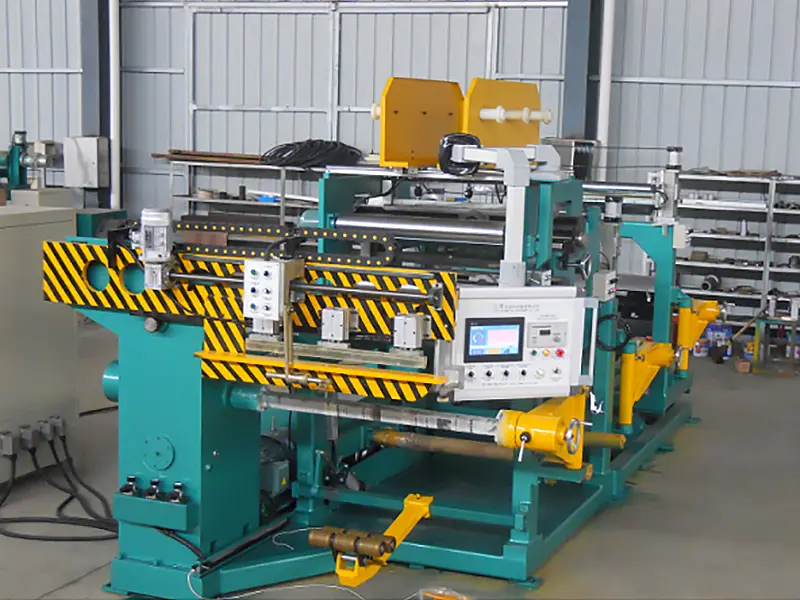
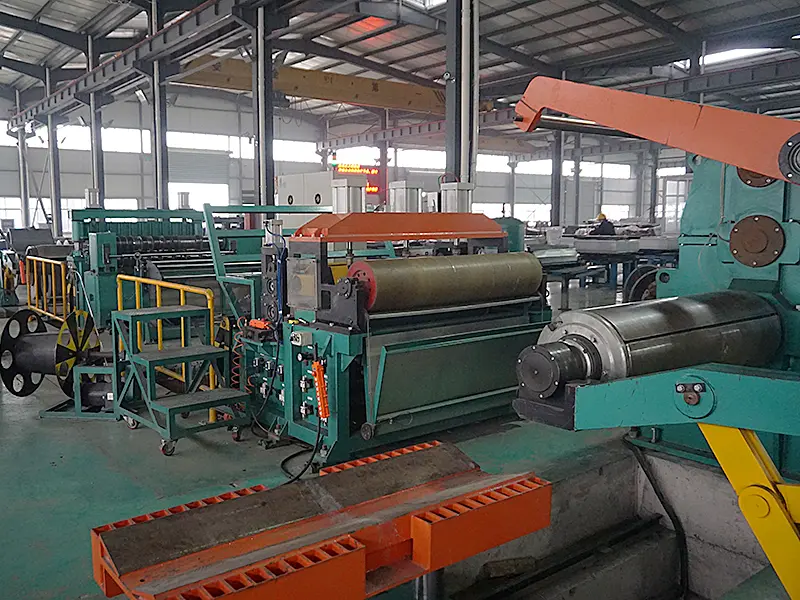
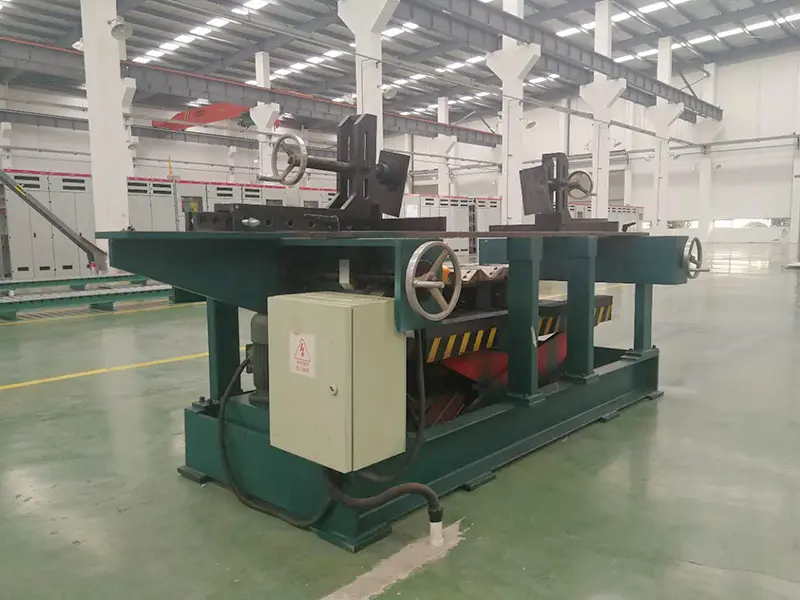
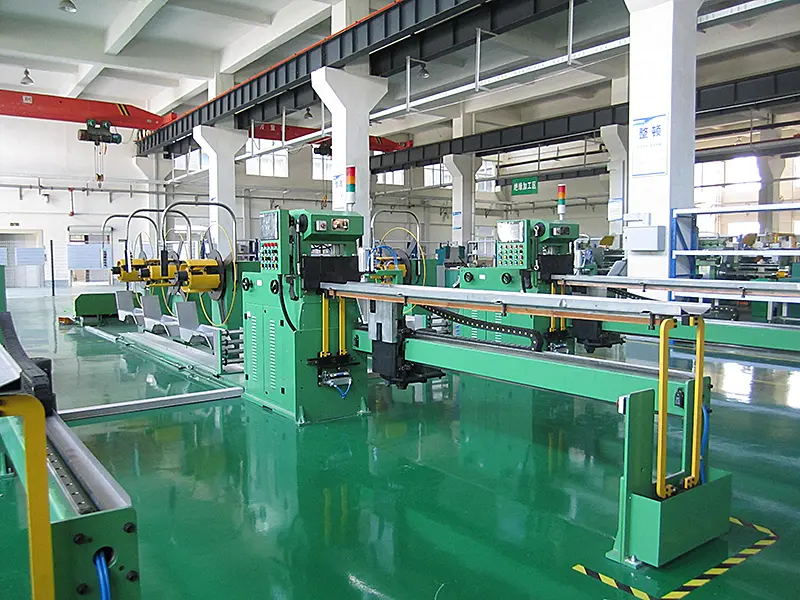
Automation is no longer a luxury but a necessity. Traditional semi-automatic and manual winding machines are being phased out in favor of fully automated systems that integrate robotic arms, AI-driven quality control, and real-time data analytics. These systems reduce labor costs by up to 40% while improving precision to ±0.05mm—critical for high-voltage transformers where even minor deviations can lead to catastrophic failures.
Key Advancements:
Robotic Loading/Unloading: Collaborative robots (cobots) now handle delicate wire spools and core assemblies, minimizing human error.
Vision Systems: High-resolution cameras monitor wire tension and placement accuracy, adjusting parameters mid-process to prevent defects.
Predictive Maintenance: AI algorithms analyze machine data to predict component failures before they occur, reducing downtime by 30%.
Impact on Production Efficiency
A 2025 industry report highlights that factories using automated transformer winding equipment can produce 2.5x more units per day compared to manual setups. For instance, a mid-sized manufacturer of distribution transformers reported a 50% reduction in rework rates after adopting AI-powered tension control systems.
2. Material Innovation: Copper vs. Aluminum and Beyond
The Copper-Aluminum Dilemma
The choice of conductor material significantly impacts transformer efficiency. Copper remains the gold standard for high-performance transformers due to its superior conductivity (58 MS/m vs. aluminum’s 35 MS/m). However, aluminum’s lighter weight (33% less dense) and lower cost make it attractive for EVs and portable electronics.
Emerging Trends:
Hybrid Coils: Some manufacturers are experimenting with copper-clad aluminum (CCA) wires to balance cost and performance.
Nanocrystalline Cores: Paired with aluminum windings, these cores reduce core losses by 70%, enabling smaller, lighter transformers for aerospace applications.
Rewinding Machines: Sustainability and Cost Optimization
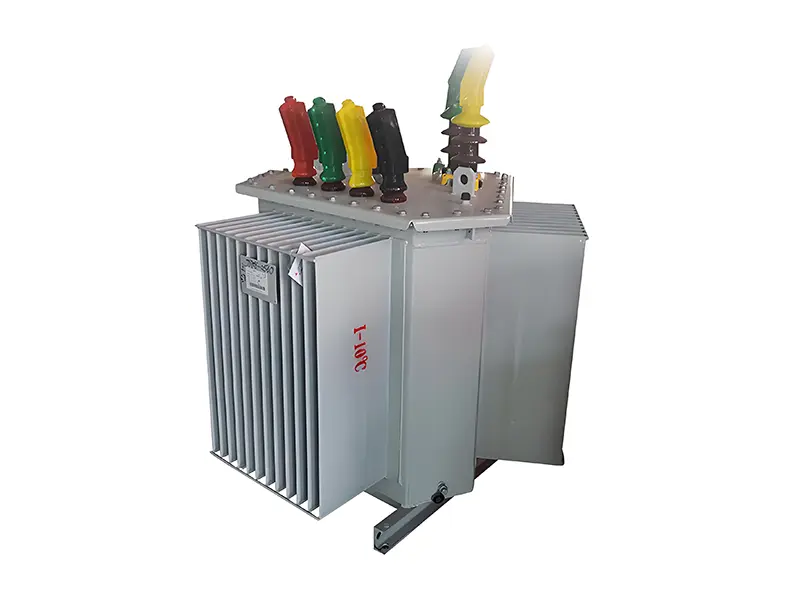
Transformer rewinding machines, which repair and upgrade existing units, are gaining traction as companies seek to extend asset lifespans. A 2025 study found that rewinding can cut costs by 60% compared to buying new transformers, with minimal performance degradation.
Case Study:
A utility company in Europe rewound 150 aging transformers using automated equipment, reducing CO2 emissions by 1,200 tons annually through avoided manufacturing waste.
3. Customization for Niche Applications
EV Transformers: Smaller, Lighter, More Efficient
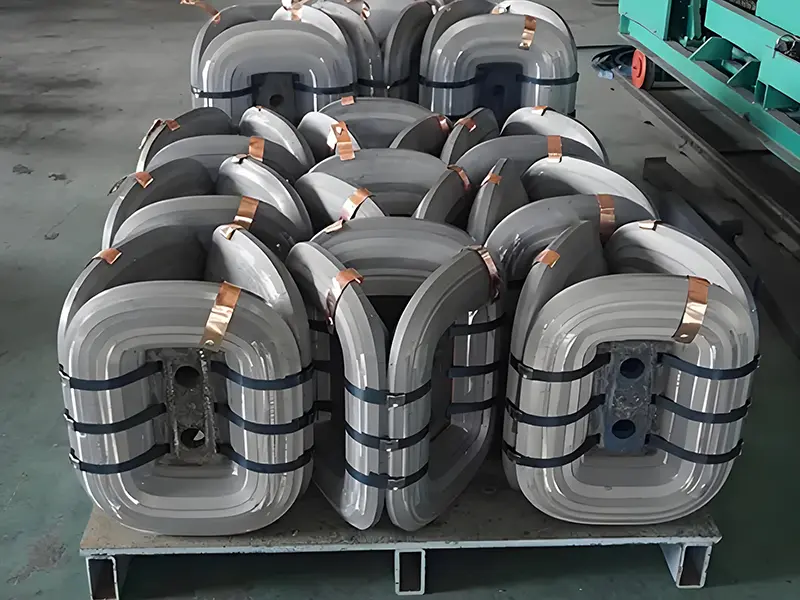
The EV revolution demands transformers that are 40% smaller and 30% lighter than traditional units. This requires:
High-Frequency Winding: Machines must handle wire diameters as thin as 0.05mm for compact inductors.
Thermal Management: Advanced cooling systems, such as liquid-cooled bobbins, are integrated into winding processes to prevent overheating.
Renewable Energy: Grid Resilience and Storage
Solar and wind farms require transformers that can handle fluctuating loads and harmonic distortions. Winding machines for these applications now feature:
Multi-Layer Winding: Enables precise control over leakage inductance, improving stability.
Jumble Winding Techniques: Used in high-frequency inductors, this method densely packs wires to enhance heat dissipation.
Aerospace and Defense: Extreme Conditions
Transformers for satellites and military equipment must withstand temperatures ranging from -55°C to 125°C. Winding machines for these sectors incorporate:
Vacuum Impregnation: Seals coils against moisture and vibration.
Hermetic Sealing: Prevents corrosion in harsh environments.
4. Digitization and Industry 4.0: The Smart Factory Revolution
IoT and Real-Time Monitoring
Modern transformer winding equipment is equipped with IoT sensors that transmit data to cloud platforms. Operators can monitor:
Wire Tension: Adjustments are made automatically to prevent breaks.
Energy Consumption: Optimizes power usage to reduce costs.
Digital Twins: Virtual Prototyping
Before physical production, manufacturers use digital twins to simulate winding processes. This reduces material waste by 20% and accelerates time-to-market.
5. Global Market Dynamics: Regional Shifts and Opportunities
Asia-Pacific: The Manufacturing Hub
China and India dominate transformer winding machine production, accounting for 55% of global output. Local manufacturers are investing in R&D to capture high-end markets, such as EV components.
Europe: Sustainability and Precision
European firms focus on eco-friendly designs, such as biodegradable insulation materials and energy-efficient motors. Germany, in particular, leads in ultra-high-voltage transformer winding technology.
North America: Innovation in Automation
U.S. companies are pioneering cobot integration and AI-driven quality control. A 2025 survey found that 70% of American manufacturers plan to upgrade to smart winding systems within three years.
6. Challenges: Skills Gap and Supply Chain Volatility
The Talent Crisis
As machines become more complex, the demand for skilled operators is outpacing supply. Vocational training programs in Germany and Japan report a 30% shortage of qualified technicians.
Raw Material Shortages
Copper prices surged by 45% in 2024 due to supply chain disruptions, forcing manufacturers to explore alternatives like aluminum and CCA wires.
7. Future Outlook: 2030 and Beyond
AI and Machine Learning
By 2030, AI is expected to handle 90% of quality control tasks in winding factories, reducing defect rates to near-zero.
3D-Printed Coils
Early experiments with additive manufacturing suggest that 3D-printed coils could cut production costs by 50% while enabling complex geometries impossible with traditional methods.
Circular Economy Models
Rewinding and refurbishment services will become standard, with 80% of transformers expected to undergo at least one lifecycle extension by 2035.
Conclusion: Adapting or Perishing
The transformer winding machine industry stands at a crossroads. Emerging applications—from EVs to smart grids—demand unprecedented levels of precision, efficiency, and customization. Manufacturers that invest in automation, material science, and digitization will thrive, while those clinging to outdated technologies risk obsolescence.
As the market grows to $1.5 billion by 2025, the question is no longer whether transformer winding machines can adapt to new scenarios—but how quickly. The winners will be those who recognize that innovation is not a choice but a survival strategy.