


0102030405
Facing a Skilled Labor Shortage? Is an Automated Core Winding Machine the Inevitable Choice?
2025-10-28
The global energy transition and industrial automation boom are driving unprecedented demand for electric motors, transformers, and generators. At the heart of these essential components lies a critical manufacturing process: core winding. Yet, this foundational industry is facing a severe crisis. A widespread skilled labor shortage is threatening production capacity and quality, forcing manufacturers to ask a pivotal question: is the automated core winding machine now an inevitable investment?
The Deepening Labor Gap in Precision Manufacturing
The skilled labor shortage is not a future threat; it is a present reality. Industries reliant on precision engineering, particularly the electrical and wind power sectors, are reporting significant gaps in finding workers with the necessary expertise. According to a recent industrial survey, the electromechanical sector alone is experiencing a worker shortage rate of approximately 6.5%, translating to over a thousand unfilled positions in specific regions . These are not simple assembly jobs; they require workers with a solid theoretical foundation and strong practical skills to manage complex machinery and ensure impeccable quality.
The problem is compounded by an aging workforce and a reluctance among younger generations to pursue careers in manufacturing. The situation is particularly acute in wind power, where a report estimated that China alone would need about 300,000 additional operation and maintenance personnel by 2030, highlighting a massive demand for skilled "blue-collar" technicians . This scarcity of talent directly impacts the production of essential goods, from the motor copper winding found in industrial drives to the sophisticated copper winding transformer used in power grids and renewable energy systems.
Automated Core Winding: From Manual Skill to Cyber-Physical Precision
So, how is the industry responding? The answer lies in the rapid advancement and adoption of automated core winding machine technology. Modern systems have evolved far beyond simple mechanization into integrated cyber-physical fabrication units.
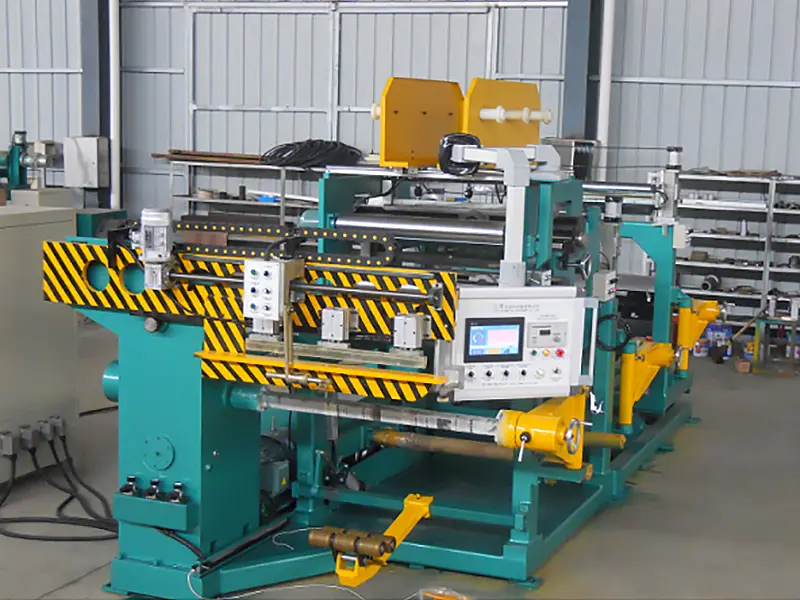
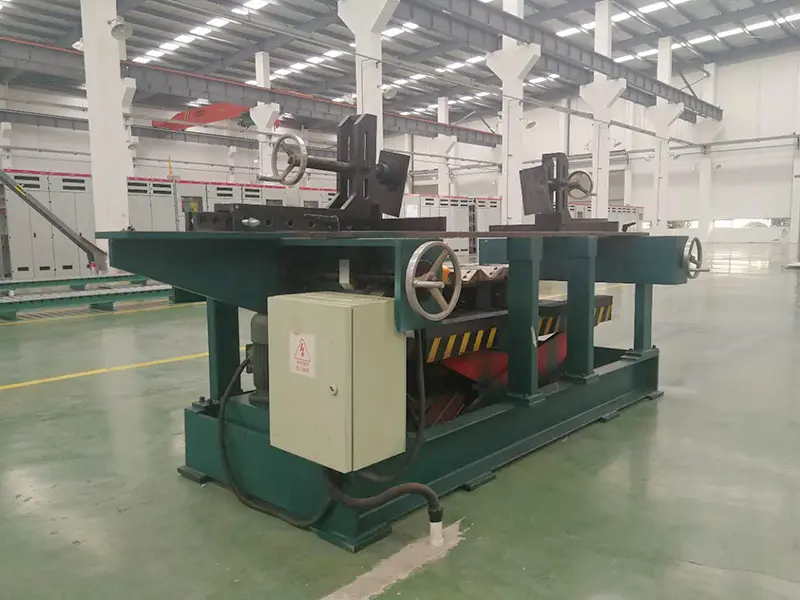
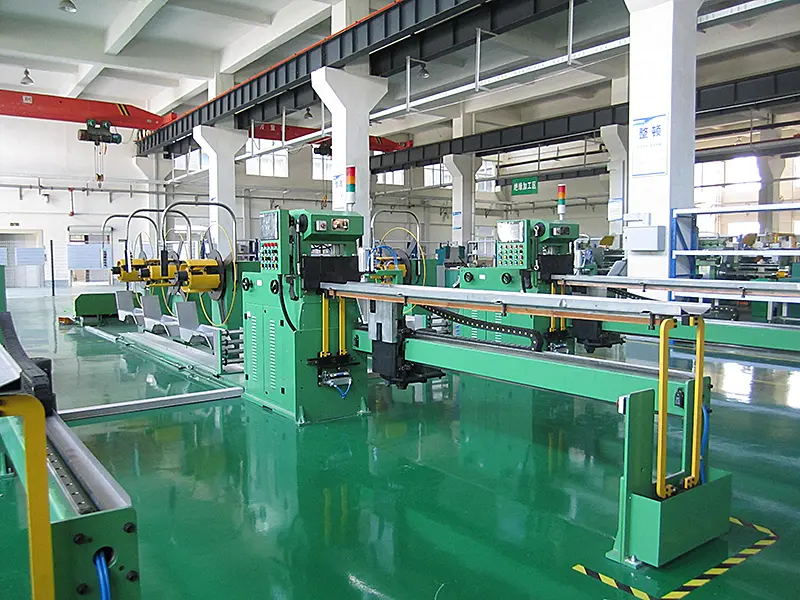
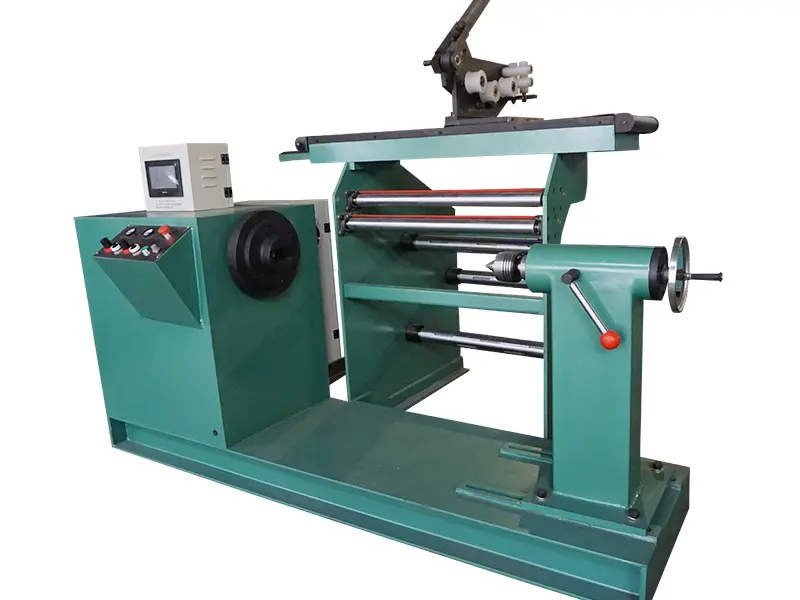
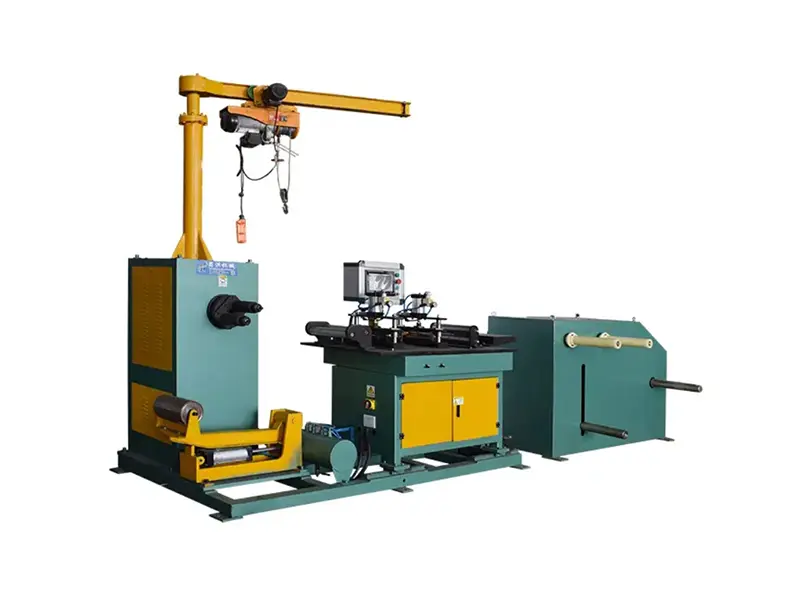
An automated core winding machine is now a sophisticated system comprising a winding host, an automatic wire-arranging device, interlayer insulation feeding, and servo-controlled tension systems for the coil winding wire . The core of its superiority is precision. Servo motors and computerized controls manage the tension and alignment of the coil winding wire with micron-level accuracy, a consistency nearly impossible to maintain manually over long production cycles.
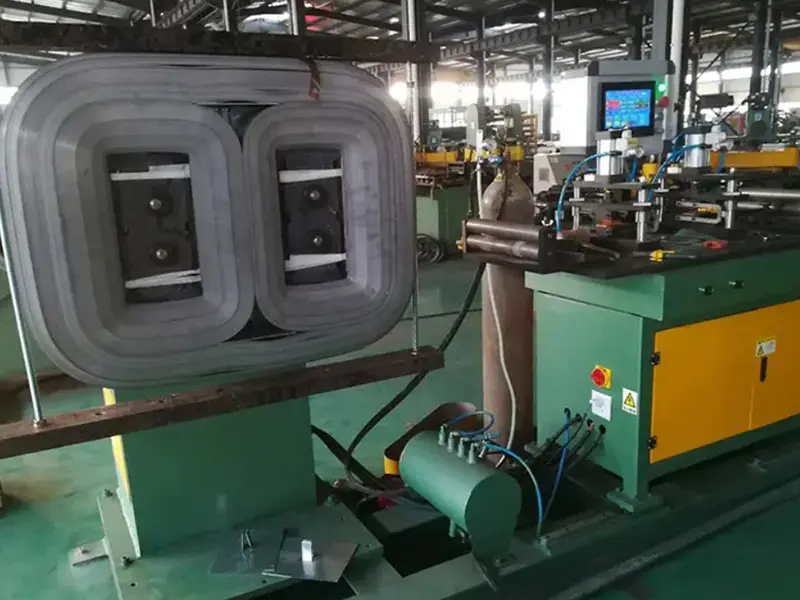
This precision is crucial for product performance. For a copper winding transformer, consistent and tight winding ensures optimal electromagnetic characteristics, reduces losses, and enhances the dielectric strength. Similarly, in motor copper winding, the precise placement of copper wire directly impacts the efficiency, power density, and thermal performance of the final motor. Advanced systems even integrate fiber tension monitoring and real-time data analysis, creating a digital representation of the fabrication process for continuous quality control . This shift transforms winding from a manual craft into a repeatable, data-driven engineering process.
Tangible Benefits: Why Automation Pays for Itself
Investing in an automated core winding machine is a strategic decision that delivers a compelling return on investment across several key areas:
Unmatched Quality and Consistency: Automation eliminates human error. Every coil produced by an automated core winding machine, whether for a delicate sensor or a massive copper winding transformer, is virtually identical. This ensures uniform electrical properties and enhances the reliability and longevity of the final product.
Dramatic Efficiency Gains: These machines operate continuously without fatigue. By significantly reducing manual operation, they boost production throughput and consistency . This increased output is essential for keeping pace with market demand, especially when skilled human operators are in short supply.
Material Savings and Sustainability: Precise control over the coil winding wire minimizes waste and scrap. In applications using expensive materials like high-purity copper for motor copper winding, this reduction in material usage directly improves cost-efficiency and contributes to more sustainable manufacturing.
Enhanced Safety: Automation handles the repetitive and physically demanding tasks, reducing the risk of worker injuries associated with manual handling of heavy spools of coil winding wire or repetitive strain.
Meeting the Demands of Modern Components and Standards
The push towards automation is further reinforced by evolving industry demands and standards. The wind power sector, for instance, is moving towards larger turbines, with recent exhibitions showcasing models up to 50MW . These massive machines require equally large and reliable generators and transformers, whose production demands the precision of an automated core winding machine.
Furthermore, international standards for coil winding wire and wound components are continuously updated to ensure quality and performance. The recent publication of new national standards for enamelled round winding wires underscores the industry's focus on material specifications and performance under stress . Adhering to these stringent standards is more manageable with an automated process that guarantees consistency and provides traceable production data.
The Future is Automated: A Necessary Evolution
While the notion of a fully "unmanned" factory may still be aspirational, the integration of highly automated systems is no longer a luxury but a necessity for remaining competitive . The skilled labor gap is a structural challenge that will not be resolved overnight. In this context, the automated core winding machine is not just a piece of factory equipment; it is a strategic solution.
It empowers manufacturers to overcome human resource constraints, achieve new levels of product quality, and meet the sophisticated requirements of modern electrical components like high-efficiency motor copper winding and next-generation copper winding transformer. For forward-thinking companies, the question is no longer if they should automate, but how quickly they can integrate these advanced systems to secure their place in the future of manufacturing. The evolution from manual winding to automated precision is not just inevitable; it is already underway.