


0102030405
How Can Eco-Friendly Materials Reduce the Carbon Footprint of Transformer Winding Machines?
2025-12-02
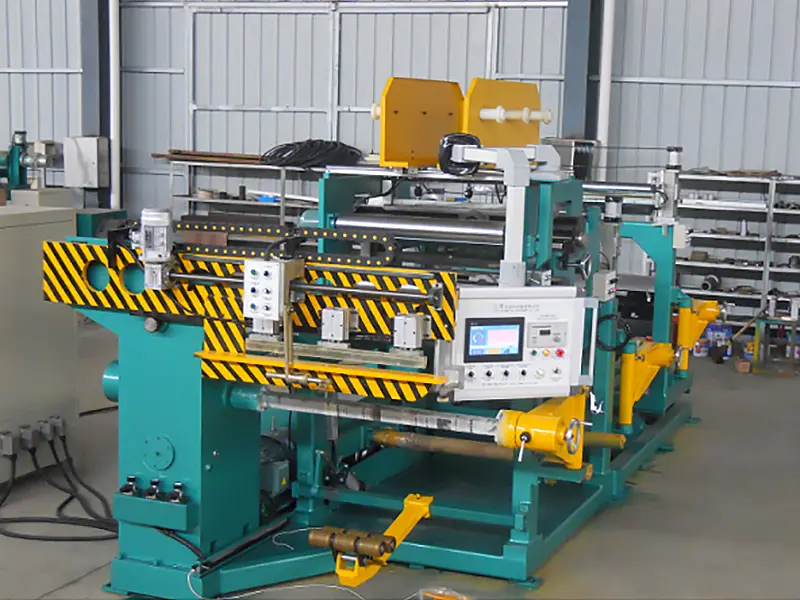
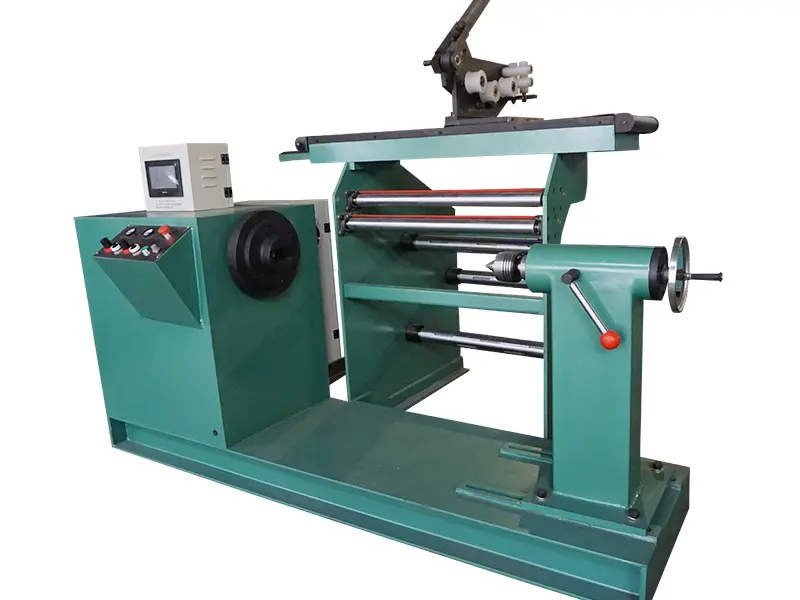
The global energy shift is totally transforming how industries make things, and the transformer winding field is right in the thick of it. With governments and big companies really focusing on cutting carbon emissions, makers of transformer winding machines, wire winding machines, and automatic coil winding machines are starting to rethink the materials they use to keep up with sustainability goals. This change isn't just about following rules—it's a smart way to save money on running costs, make products last longer, and meet the increasing need for eco-friendly infrastructure.
Next up, let's dive into how green materials are shaking up transformer winding tech, from the insulation systems to the parts of the machines themselves, and why this change is so important for manufacturers, the people who use the products, and our planet.
1. The Environmental Cost of Traditional Transformer Winding
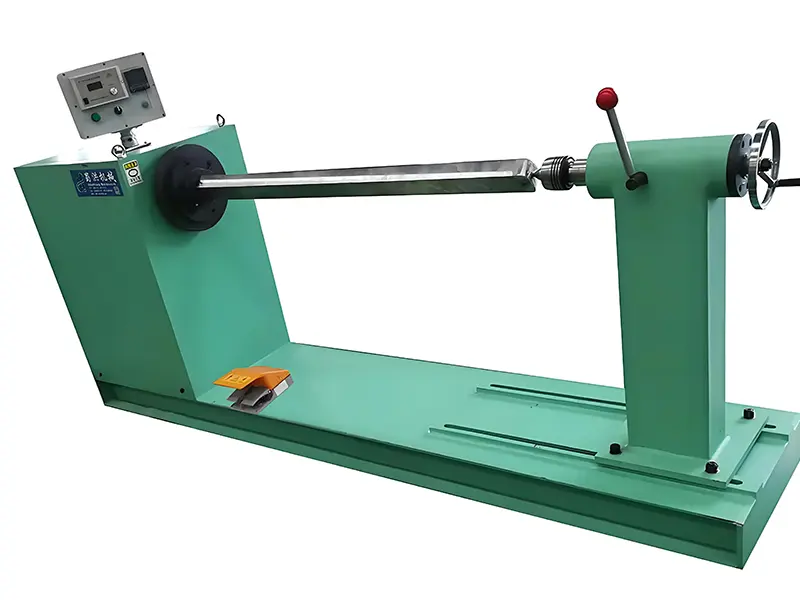
Transformer winding machines, including specialized transformer rewinding machines used to refurbish aging equipment, are vital to electrical grids worldwide. However, their production and operation carry significant environmental burdens.
Material Extraction: Copper, the backbone of winding wires, accounts for 0.3% of global CO₂ emissions due to energy-intensive mining and refining. Steel, used in machine frames and coil cores, contributes another 7% of industrial emissions.
Energy Consumption: Conventional wire winding machines often rely on hydraulic systems powered by diesel generators, while older automatic coil winding machines may lack energy-efficient motors, driving up operational emissions.
Waste Generation: Insulation materials like epoxy resins and polyester films are non-biodegradable, ending up in landfills. Even refurbishment projects using transformer rewinding machines generate scrap metal and plastic waste.
These challenges highlight the urgent need for sustainable alternatives without compromising performance—a balance eco-friendly materials aim to achieve.
2. Bio-Based Insulation: Redefining Coil Efficiency
Insulation systems are critical to transformer safety and efficiency, but traditional materials like mica tape and synthetic films are petroleum-derived and energy-hungry to produce. Bio-based alternatives, crafted from plant cellulose, starch, or soybean oil, offer a lower-carbon solution.
Key Innovations:
Cellulose Tapes: Companies like Siemens Energy and ABB are testing cellulose-based insulation tapes that decompose within decades instead of centuries. These tapes match the dielectric strength of conventional options, withstanding temperatures up to 180°C—ideal for high-voltage transformers wound on automatic coil winding machines.
Biodegradable Spacers: In transformer rewinding machines, plastic spacer rings are being replaced with cornstarch or bamboo-fiber alternatives. These spacers disintegrate harmlessly if discarded, addressing waste concerns in refurbishment workflows.
Impact: A 2024 study by the International Renewable Energy Agency (IRENA) found that bio-based insulation could reduce winding-process emissions by 40% while maintaining performance standards.
3. Recycled Metals: Cutting Emissions in Winding Components
Copper and steel dominate transformer winding due to their conductivity and durability, but mining these metals is carbon-intensive. Recycled alternatives, sourced from post-consumer scrap or industrial waste, offer a greener path.
Copper: Recycled copper requires just 20% of the energy needed to process virgin ore. Modern wire winding machines now use alloys with 90%+ recycled content, slashing lifecycle emissions without sacrificing conductivity.
Steel: For machine frames, manufacturers are adopting electric arc furnace (EAF) steel, which emits 75% less CO₂ than traditional blast furnace methods. Lightweight EAF-steel frames also reduce shipping emissions for automatic coil winding machines shipped globally.
Case Study: Hitachi Energy’s 2023 pilot replaced 50% of the copper in a 500 MVA transformer with recycled material, cutting emissions by 18% while meeting performance benchmarks.
4. Low-VOC Coatings: Cleaner Air in Manufacturing
Volatile organic compounds (VOCs) from paints and varnishes used on transformer winding machines contribute to air pollution and worker health risks. Water-based, low-VOC coatings provide a safer alternative.
Advantages:
Emission Reduction: Automatic coil winding machines coated with low-VOC epoxies emit 80% fewer harmful chemicals during application compared to solvent-based finishes.
Corrosion Resistance: These coatings often outperform traditional options, extending machine lifespan and reducing the need for replacements—a dual benefit for sustainability and cost efficiency.
Regulatory Push: The EU’s REACH regulation and U.S. EPA guidelines are accelerating the phase-out of high-VOC coatings, pushing manufacturers to adopt greener alternatives.
5. Energy-Efficient Motors: Powering Sustainable Operations
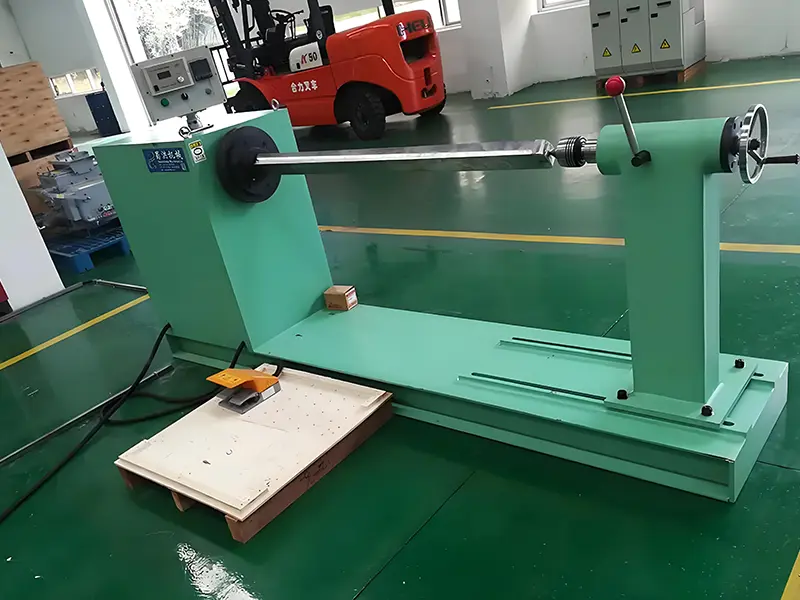
The motors driving wire winding machines and transformer rewinding machines are prime targets for energy savings. Traditional induction motors waste up to 15% of energy as heat, whereas brushless DC (BLDC) motors convert over 90% of input power into motion.
Modern Upgrades:
BLDC Integration: Premium automatic coil winding machines now feature BLDC motors with regenerative braking, recovering kinetic energy during deceleration. This cuts energy use by 40% compared to older models.
Variable Speed Drives: These drives allow motors to adjust output based on workload, eliminating constant full-power operation. A 2023 analysis by the U.S. Department of Energy found that variable-speed motors reduce energy consumption by 25–50% in winding applications.
Industry Shift: The EU’s Ecodesign Directive mandates IE4 efficiency standards for all new industrial motors by 2025, driving rapid adoption of green motor technologies.
6. Circular Economy Practices: Designing for End-of-Life
Eco-friendly materials alone aren’t enough—manufacturers must also embrace circular economy principles to minimize waste. This involves designing products for disassembly, recycling, or repurposing.
Key Strategies:
Modular Design: Some transformer winding machines now feature interchangeable components, enabling easy repairs or upgrades. For example, a faulty tensioning system in an automatic coil winding machine can be replaced instead of scrapping the entire unit.
Take-Back Programs: Companies like Schneider Electric offer recycling initiatives for old transformers, recovering copper and steel for reuse. Similar programs for winding machines ensure non-metallic parts, like bio-based insulation, are composted or incinerated for energy recovery.
Data Insight: The Ellen MacArthur Foundation estimates that circular practices could reduce industry-wide waste by 60% by 2030, creating $4.5 trillion in economic opportunities.
7. Overcoming Adoption Barriers: Cost, Performance, and Supply Chains
Despite their promise, eco-friendly materials face hurdles:
Upfront Costs: Biodegradable insulation and recycled metals may cost 10–20% more than conventional options. However, lifecycle savings from energy efficiency and waste reduction often offset this premium.
Performance Concerns: Early bio-based materials struggled with moisture resistance or thermal stability. Advances in chemical engineering have resolved these issues, with modern alternatives matching or exceeding traditional specs.
Supply Chain Complexity: Sourcing recycled metals or bio-based resins requires robust supplier networks. Manufacturers are partnering with specialized recyclers and agricultural cooperatives to secure sustainable feedstocks.
Expert Perspective: “The transition to green materials is no longer optional—it’s a business imperative,” says Dr. Rajesh Gupta, a sustainable manufacturing researcher at ETH Zurich. “By 2030, 70% of transformer winding machines will incorporate at least one eco-friendly component, driven by regulations and customer demand.”
Conclusion: A Greener Future for Transformer Winding
The integration of eco-friendly materials into transformer winding machines, wire winding machines, and automatic coil winding machines is reshaping the industry. From biodegradable insulation to energy-efficient motors, these innovations are cutting carbon footprints while enhancing performance and cost competitiveness.
As governments tighten emissions regulations and consumers prioritize sustainability, manufacturers that lead this transition will secure a competitive edge. The path forward demands collaboration across industries, investment in R&D, and a commitment to circular principles. For the transformer winding sector, the future is not just electric—it’s green.