


0102030405
How to Choose the Right Winding Machine for Your Specific Industry Needs?
2025-10-21
The global push for efficiency and precision in manufacturing has placed winding machines at the forefront of industrial innovation. From producing the delicate coils that power our electronics to handling massive rolls for renewable energy infrastructure, the right winding equipment is critical for productivity and product quality. Selecting the ideal machine, however, is a complex decision that hinges on a deep understanding of technical specifications, industry-specific requirements, and total operational costs. This guide provides a professional, in-depth analysis to help you navigate the selection process for the perfect winding machine for your application.
1. Core Specifications: Decoding the Technical Landscape
The foundation of a good selection lies in understanding the core technical parameters that define a machine's capability. These specifications directly determine whether a machine can handle your materials and meet your production goals.
The primary consideration is the machine's compatibility with your materials. This includes the wire diameter or material thickness, which for many industrial machines can range from fine wires of 0.3mm to broader flat wires or strips with a width of up to 12.0mm . The maximum coil dimensions—both diameter and width—are equally critical. These can vary significantly, from compact units handling coils up to 150mm in diameter for small-scale projects, to large industrial machines designed for much bigger tasks .
Furthermore, the winding axis and transmission ratio govern the machine's precision and speed. A precise transmission ratio, such as 1:8, ensures consistent winding speed, which is vital for coil uniformity . Modern machines often feature multiple independent axes, such as a dedicated wire-feeding axis and a winding axis, working in coordination to achieve complex shapes with high accuracy .
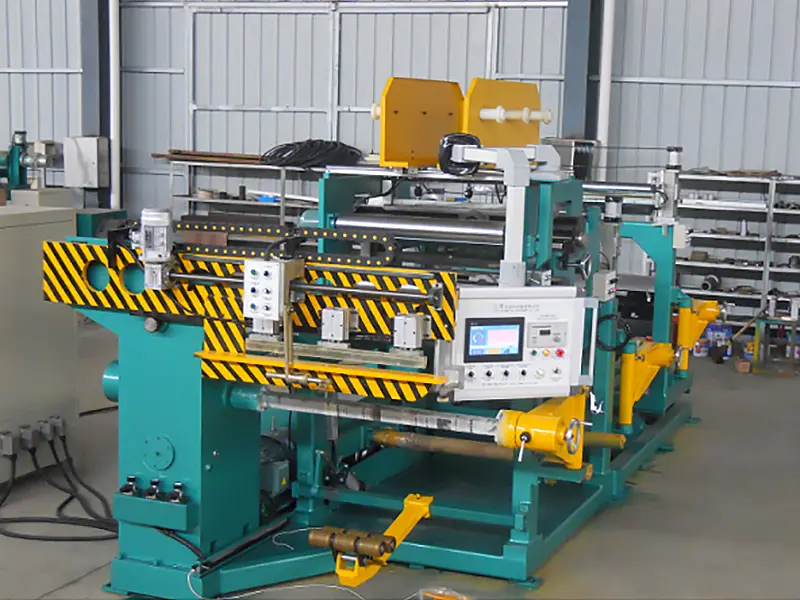
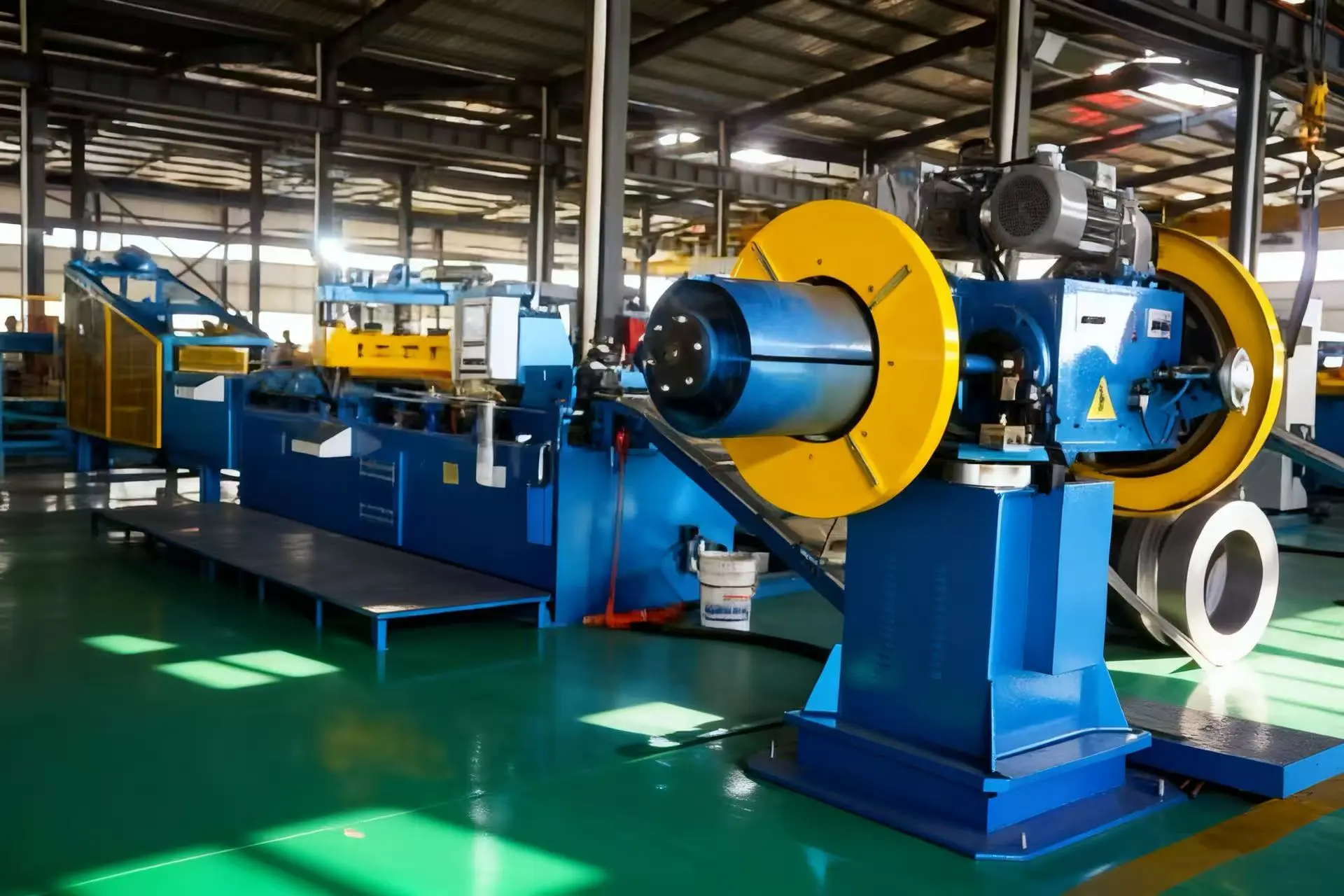
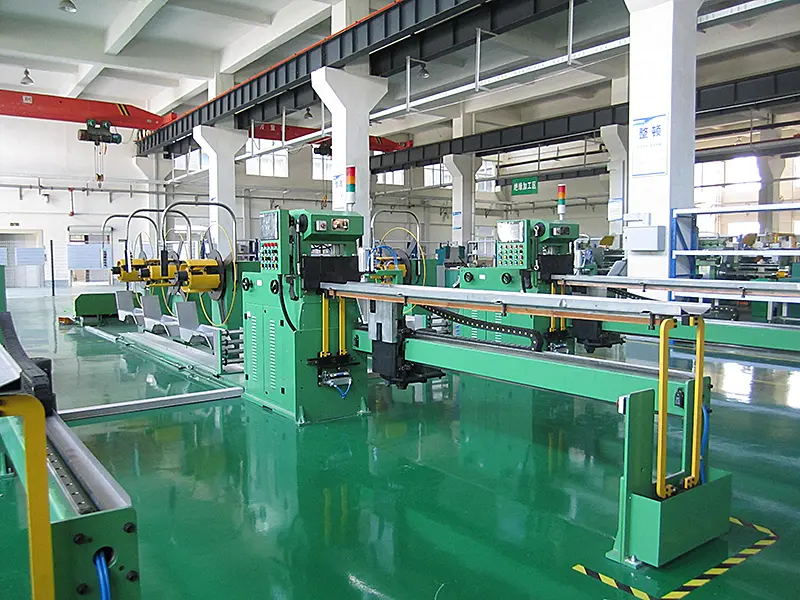
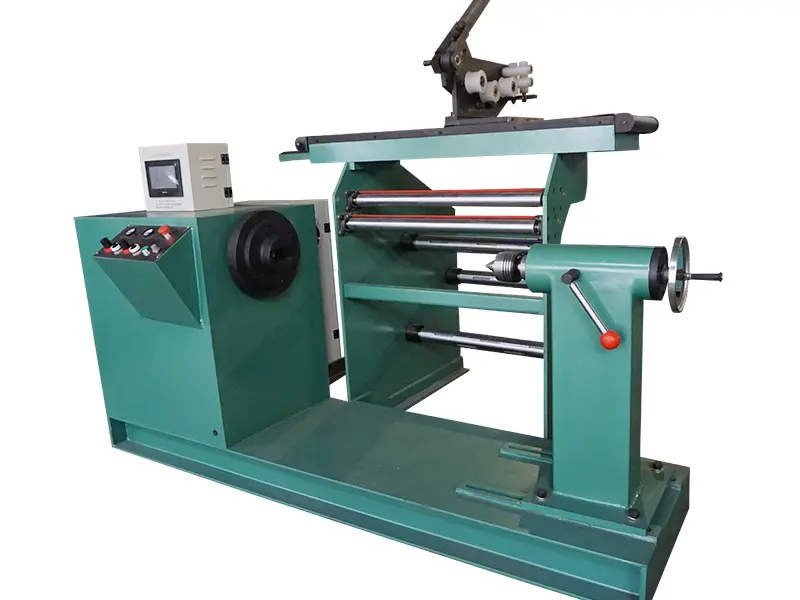
Finally, the degree of automation is a key differentiator. Options range from simple hand-crank machines that offer ultimate control for small batches to semi-automatic and fully automatic systems. The most advanced Auto Rewinding Machine units integrate seamlessly into production lines, performing tasks from loading to unloading with minimal human intervention.
2. Industry-Specific Applications: Matching Technology to Need
A Winding Machine is not a one-size-fits-all solution. Its configuration and features must be tailored to the unique demands of the end-product and industry.
Electronics and Electrical Manufacturing: This sector requires high-precision winding for components like transformers, inductors, and motors. Machines for this field must handle a variety of wire gauges with exceptional accuracy in tension control and turn counting to ensure electrical performance is met. A built-in mechanical counter that can track up to 99,999 wraps is a common and essential feature for repeatable projects .
Energy and Heavy Industry: The growth of the wind energy sector, valued at billions of dollars, creates substantial demand for robust winding equipment . Here, the focus shifts to large-scale applications, including the production and maintenance of turbine generators. Furthermore, the market for vertical axis wind turbines is experiencing significant growth, which may influence the specifications for winding machines used in their component manufacturing .
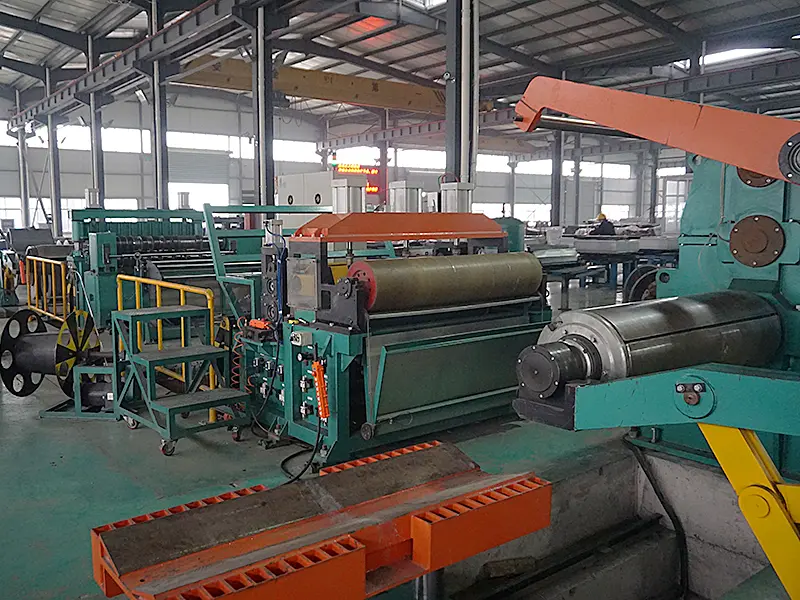
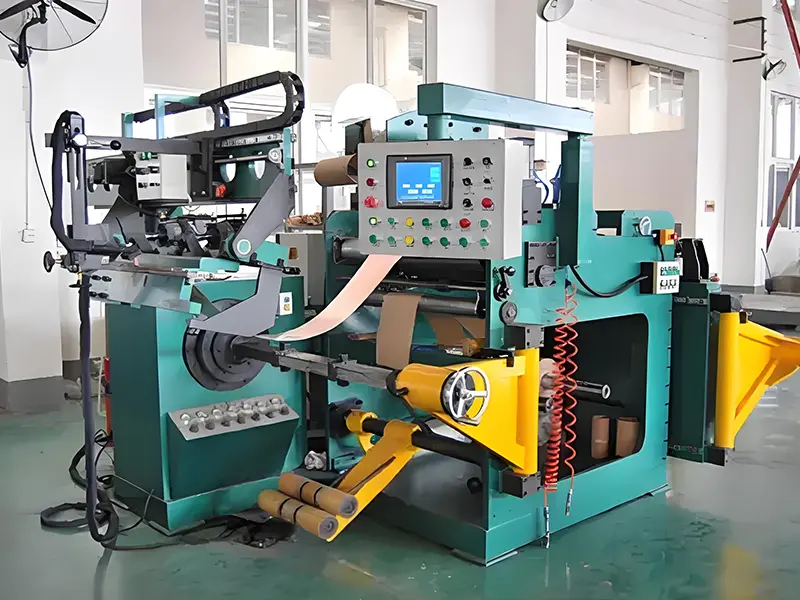
Flexible Packaging and Converting: In industries processing paper, plastic film, labels, and textiles, slitter rewinder machines are indispensable. These systems are designed to efficiently convert large master rolls into smaller, customer-specific rolls. The key here is precision cutting and rewinding to minimize material waste and ensure consistent roll quality for downstream processes like printing and sealing . An automated Auto Rewinding Machine in this context dramatically boosts productivity by reducing manual labor and handling errors.
Lithium-Ion Battery Production: The rapidly expanding battery manufacturing sector relies on advanced winding equipment for producing battery cells. This application demands ultra-clean environments, precise tension control for delicate electrode foils, and high throughput to meet the massive scale of global battery demand .
3. The Automation Advantage: Evaluating Auto Rewinding Machines
The transition from manual to automated winding is a strategic move for businesses aiming to scale up production, enhance consistency, and reduce long-term operational costs. An Auto Rewinding Machine represents a significant leap in manufacturing capability.
Automated systems excel in precision and accuracy. They eliminate human error, ensuring every roll or coil is wound to the exact required length and tension. This precision is paramount in industries like packaging, where uneven edges or loose winding can disrupt high-speed filling operations .
A major benefit is drastic cost savings. While the initial investment is higher, automation reduces reliance on manual labor, freeing skilled workers for more value-added tasks like quality control and machine oversight. Moreover, by precisely cutting material to the required size, these machines significantly reduce waste, maximizing material utilization and directly cutting costs .
These machines are also designed for user-friendly operation. Modern Auto Rewinding Machine models come with intuitive computer interfaces that allow operators to save parameters for different product specifications, enabling quick changeovers and minimizing downtime . This makes them accessible even for operators who are not winding experts.
4. The Vertical Dimension: Understanding Vertical Winding Machines
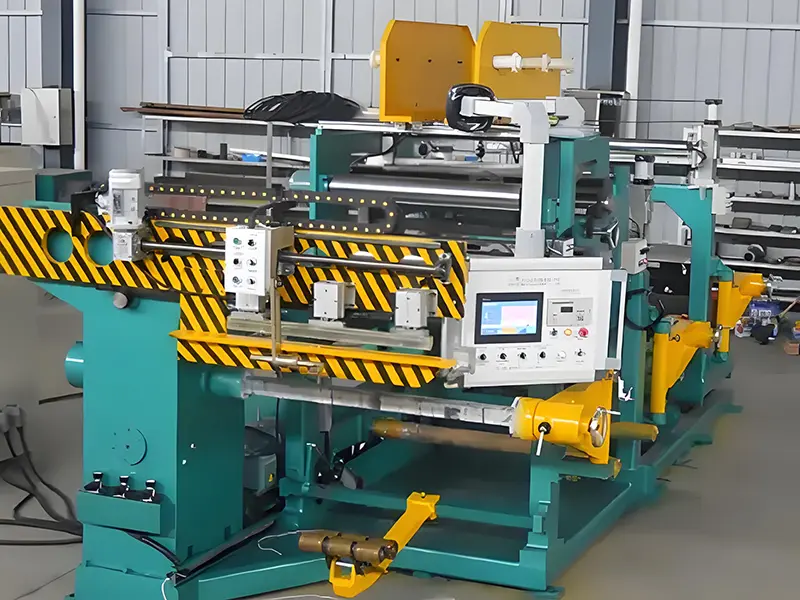
In the quest for space efficiency and specialized application solutions, the Vertical Winding Machine has emerged as a valuable configuration. Unlike traditional horizontal machines, a Vertical Winding Machine orients the winding axis vertically, which offers several distinct advantages.
This design has a smaller footprint, making it ideal for facilities where floor space is at a premium. The vertical orientation can also be beneficial for handling certain materials, as gravity can assist in the process, potentially reducing complexity in the material path.
These machines are particularly well-suited for processing specific materials and products. They are often used in the production of larger, heavier coils and in applications involving films or specific types of cables where the vertical path is advantageous for material flow and control.
Furthermore, the vertical configuration can be advantageous for integrating into automated production lines. It can allow for easier vertical stacking or transfer of finished coils to subsequent processing stages, optimizing the flow of materials in a multi-level manufacturing environment.
5. Cost Analysis: Balancing Initial Investment with Total Cost of Ownership
The purchase price of a Winding Machine is only one part of the financial picture. A thorough Total Cost of Ownership (TCO) analysis is crucial for making a sound investment.
Initial Acquisition Cost: This varies widely based on specifications and automation level. A simple hand-crank machine is a minimal investment , while a custom, fully automated Auto Rewinding Machine system represents a significant capital expenditure. The key is to align the budget with the required features and expected output.
Operational and Maintenance Costs: Factors like energy consumption, the need for specialized tooling, and the cost of spare parts contribute to ongoing expenses. Machines with higher efficiency ratings and robust construction may have a higher upfront cost but can lead to lower operational costs over time. Regular maintenance is also essential to prevent costly unplanned downtime.
Return on Investment (ROI): The ultimate justification for any capital equipment purchase is its ROI. A more efficient machine boosts productivity, allowing you to fulfill more orders. Reduced scrap rates and improved product quality directly enhance profitability. Finally, lower labor dependency per unit produced and decreased downtime from automation and reliability solidify the financial returns .
Conclusion
Choosing the right Winding Machine is a strategic decision that requires a careful balance of technical knowledge, industry insight, and financial planning. By systematically evaluating your requirements against core specifications, understanding the nuances of automation and machine configuration like the Vertical Winding Machine, and looking beyond the price tag to the total cost of ownership, you can select a winding solution that not only meets your current needs but also scales with your future growth. The correct winding equipment is an investment that will pay dividends in quality, efficiency, and competitiveness for years to come.