


0102030405
Innovative Process Leading Industry Transformation: Key Applications of Amorphous Process in Modern Transformer Manufacturing
2025-12-30
With the continuous growth of global energy demand and the ongoing upgrading of power infrastructure, transformers, as core equipment in power transmission and distribution systems, are receiving increasing attention regarding their efficiency and reliability. In recent years, the introduction and application of the Amorphous Process are gradually reshaping the design and manufacturing paradigm of transformers. This article will delve into the technical principles, production processes, performance advantages, and profound impact of this advanced process on the industry.
Technical Basis and Core Principles of Amorphous Process
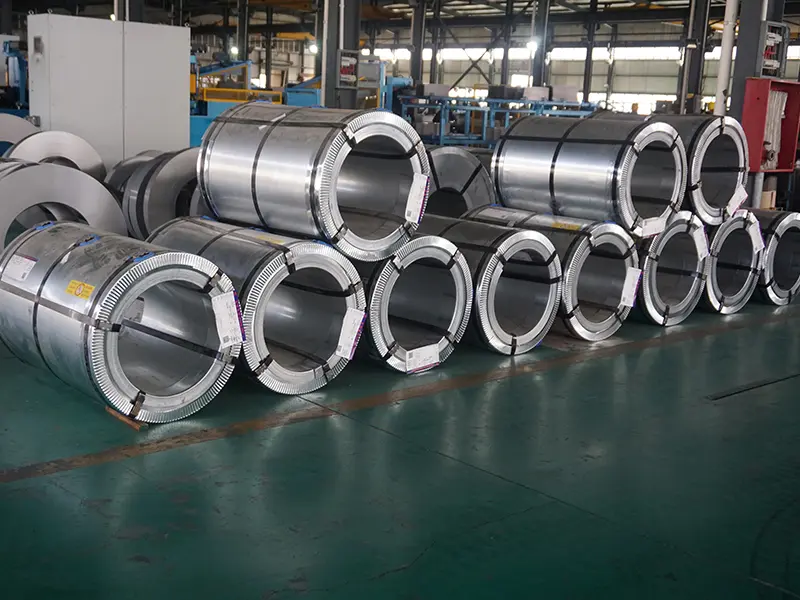
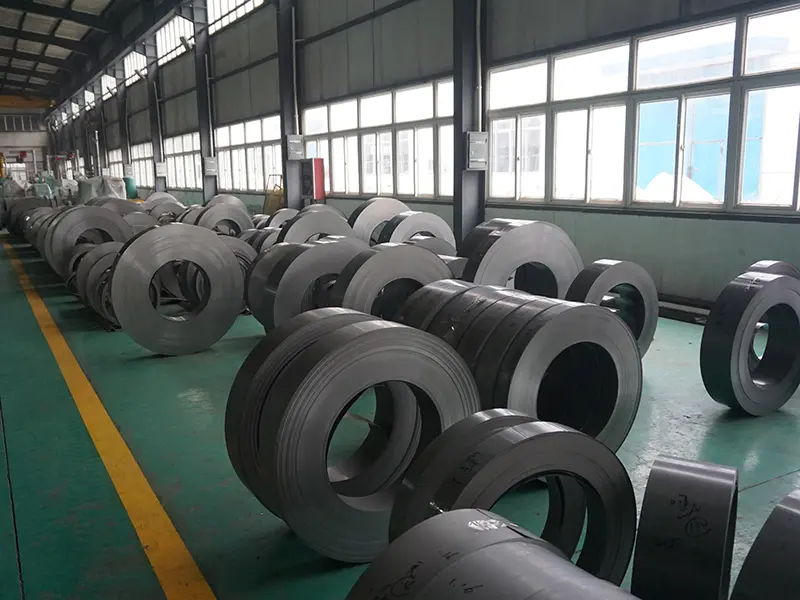
The core of the Amorphous Process lies in using amorphous alloys as the core material for transformers. Compared to traditional silicon steel sheets, amorphous alloys are formed by rapidly cooling molten metal alloys at a rate of millions of degrees Celsius per second, resulting in a disordered amorphous structure of atoms. This unique microstructure significantly reduces the material's hysteresis loss and eddy current loss.
In the implementation of the process, the Amorphous Process requires precise surface treatment and coating of the core. For example, a specific epoxy resin formula is used to coat and encapsulate the core. This step not only strengthens the brittle amorphous ribbon and prevents fragmentation but also provides insulation, moisture resistance, and mechanical protection. The entire coating process needs to be carried out in a temperature-controlled environment to ensure uniform resin coverage and complete curing, reflecting the stringent requirements of the Amorphous Process for the production environment and control precision.
Precision Manufacturing: Analysis of Key Production Processes of Amorphous Process
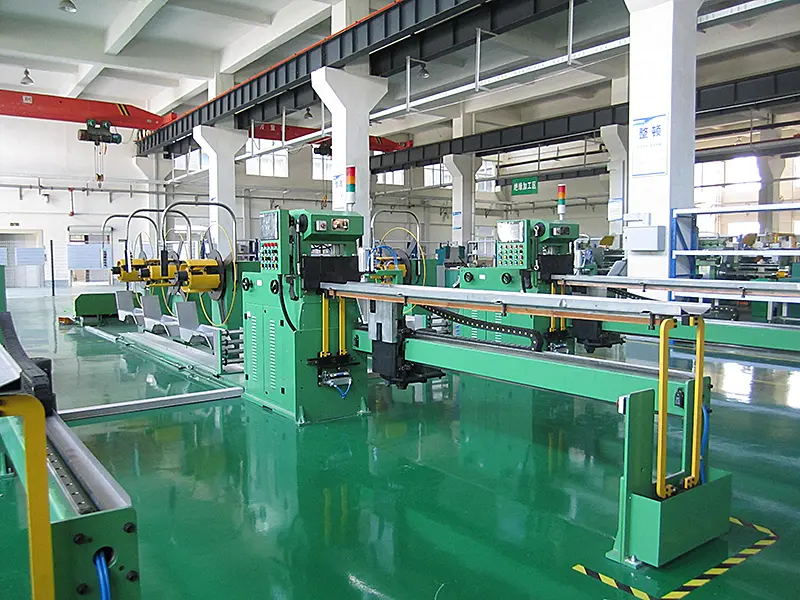
A mature Amorphous Process runs through the entire transformer manufacturing chain. Taking the manufacturing of low-voltage foil-wound coils as an example, the process begins with precise winding preparation.
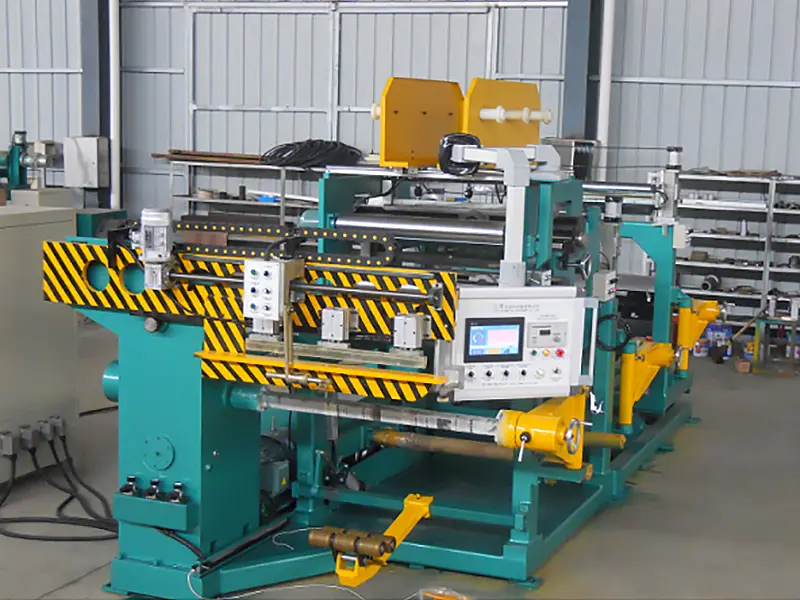
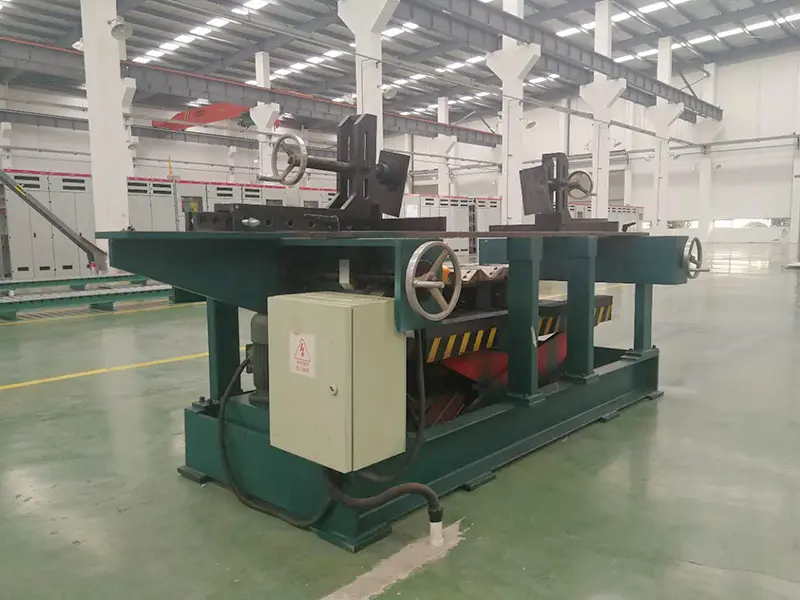
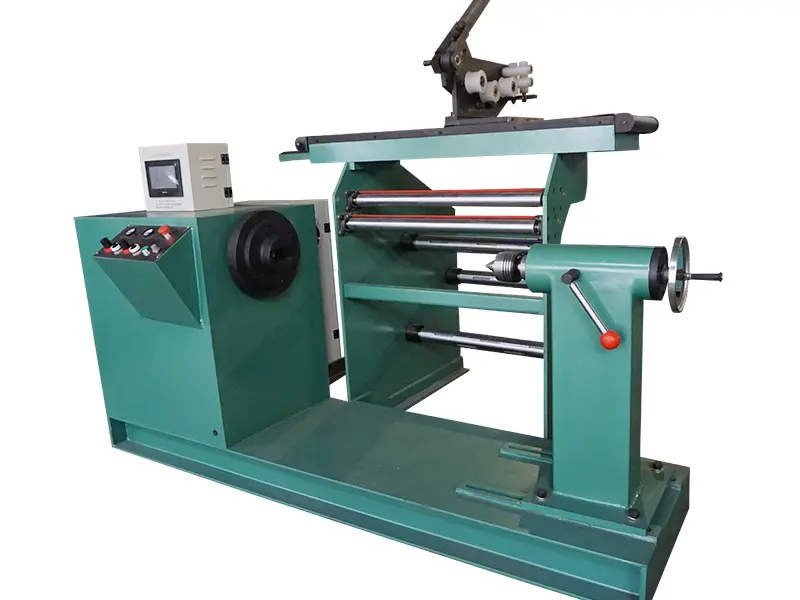
First, the process requires millimeter-level verification of the straightness and dimensions of the copper foil, and winding is performed using a dedicated foil winding machine under preset tension control. The alignment of inter-layer insulation and conductors, the tightness of the winding, and the rectangularity of the coil all need to be monitored and adjusted in real time during the process. This series of operations highlights the high degree of attention to detail in the Amorphous Process.
The challenges of the Amorphous Process are even more prominent during the transformer assembly stage. Amorphous cores are extremely fragile and require the use of special protective casings and extreme care during opening, coil assembly, and re-closing to minimize the generation of amorphous fragments. The treatment of the core's contact surfaces, the installation of grounding copper strips, and overall cleanliness control are all critical aspects of the Amorphous Process that ensure the performance and reliability of the final product.
Subsequent vacuum drying and vacuum oil impregnation processes are also indispensable parts of the Amorphous Process. Through precisely controlled temperature curves and a high-vacuum environment, moisture and air bubbles are completely removed from the transformer body, ensuring the integrity of the insulation system and creating the optimal working environment for the amorphous core.
Performance Leap: The Core Advantages of the Amorphous Process
The most significant advantage of transformers manufactured using the Amorphous Process is the substantial reduction in no-load losses. Thanks to the extremely low iron loss characteristics of amorphous alloys, the no-load losses of these transformers can be 60%-80% lower than those of traditional silicon steel transformers of the same specifications. This translates into significant energy savings and reduced carbon emissions for distribution transformers that operate continuously on the grid with fluctuating load rates.
In addition, the Amorphous Process, through rigorous insulation treatment, vacuum impregnation, and overall encapsulation, significantly improves the transformer's weather resistance, short-circuit resistance, and operating life. The emphasis on clean production and dust-free operation in the process also greatly reduces potential internal defects in the product, improving long-term operational reliability.
Industry Impact and Future Outlook
The popularization and application of the Amorphous Process are accelerating the transformation of the transformer industry towards high efficiency and energy saving. As global "dual carbon" goals advance, national power grid companies are increasingly demanding higher proportions of high-efficiency transformers in their procurement, giving manufacturers with mature Amorphous Process technology a significant advantage in the market.
In the future, the development of the Amorphous Process will focus more on process intelligence and further optimization. For example, by introducing machine vision to inspect winding quality, utilizing IoT technology to monitor drying and oil impregnation parameters, and developing more environmentally friendly and efficient coating materials, the stability, production efficiency, and product consistency of the process will be continuously improved.
At the same time, combining the Amorphous Process with more advanced topological designs and digital monitoring technologies to develop a new generation of intelligent amorphous alloy transformers will be an important direction for the industry.
Conclusion
In summary, the Amorphous Process is far more than a simple material substitution; it is a comprehensive advanced manufacturing system encompassing materials science, precision mechanics, vacuum processing, and insulation technology. Through meticulous control of countless process details—from the precise winding of coils to the damage-free assembly of the core, from deep vacuum drying to precise oil injection and settling—it collectively creates the exceptional energy efficiency and reliable quality of amorphous alloy transformers. As the process continues to mature and costs are further optimized, the Amorphous Process will undoubtedly play an increasingly crucial role in building a greener and more resilient global power grid.