


0102030405
Process characteristics of three-dimensional wound core transformer
2025-09-23
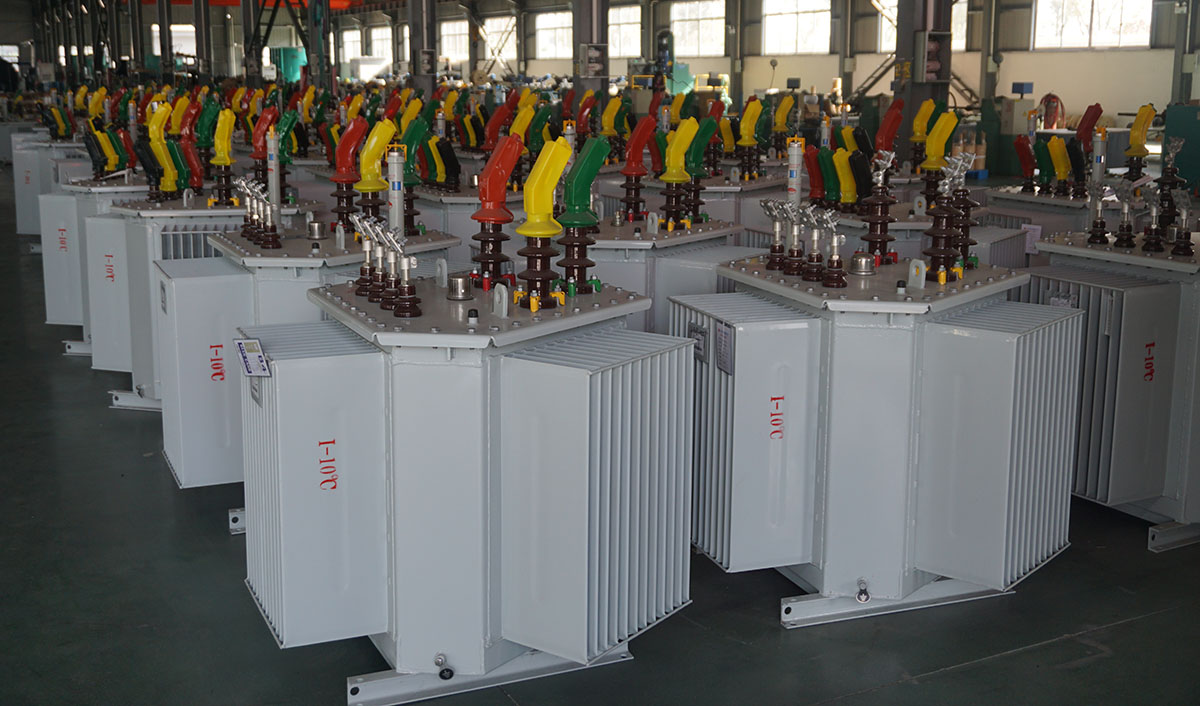
Currently, three-dimensional wound core transformers are widely used and have become an indispensable part of people's daily lives. These transformers offer numerous advantages, including low noise levels, significant energy savings, and environmentally friendly design. Consequently, demand for these transformers is increasing. Manufacturers of these transformers are also focusing on process methods, as the quality of the transformer directly impacts its performance.
The 3D wound core transformer is an innovative product in the field of transformer manufacturing that offers high efficiency and low losses. Its process characteristics are significantly different from those of traditional laminated core transformers. These characteristics not only enable it to achieve superior performance in terms of energy efficiency and reliability, but also reshape the key links in the production chain from material preparation to final assembly.
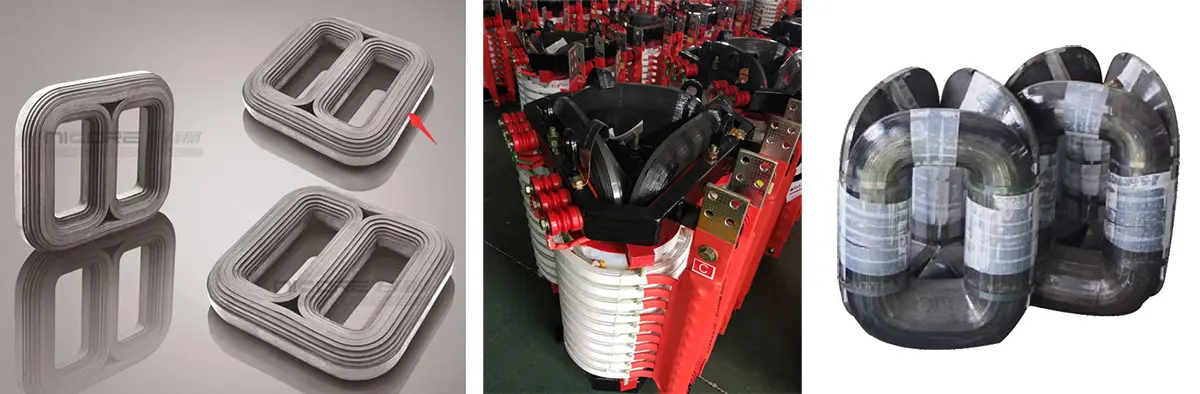
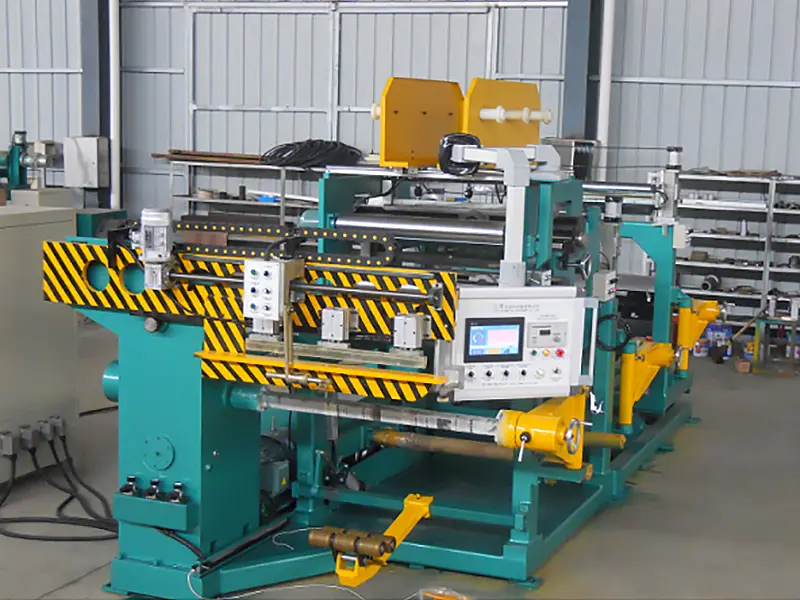
Core Winding: Continuous, Integral Forming, Seamless, Reduced Magnetic Losses
The most recognizable feature of the 3D wound core transformer is its continuous, integral winding technology. This fundamentally solves the magnetic flux leakage problem caused by the lamination seams of traditional laminated cores.
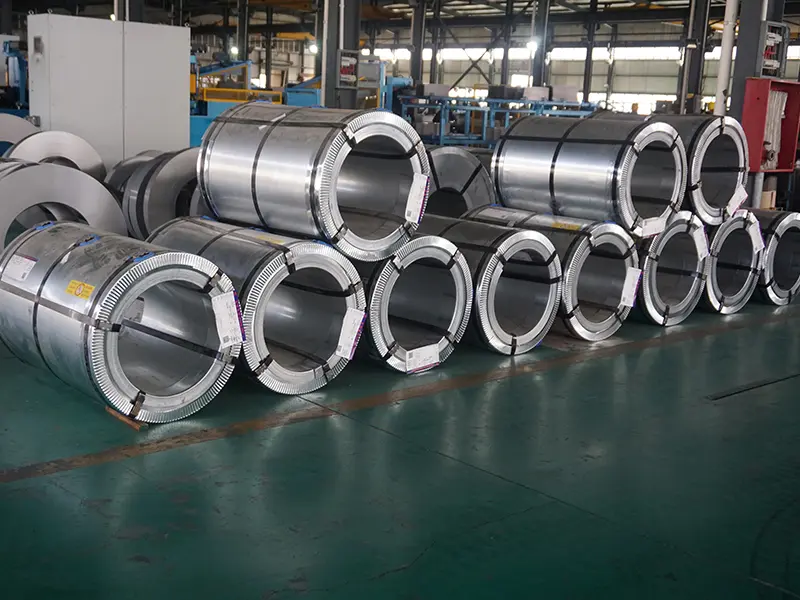
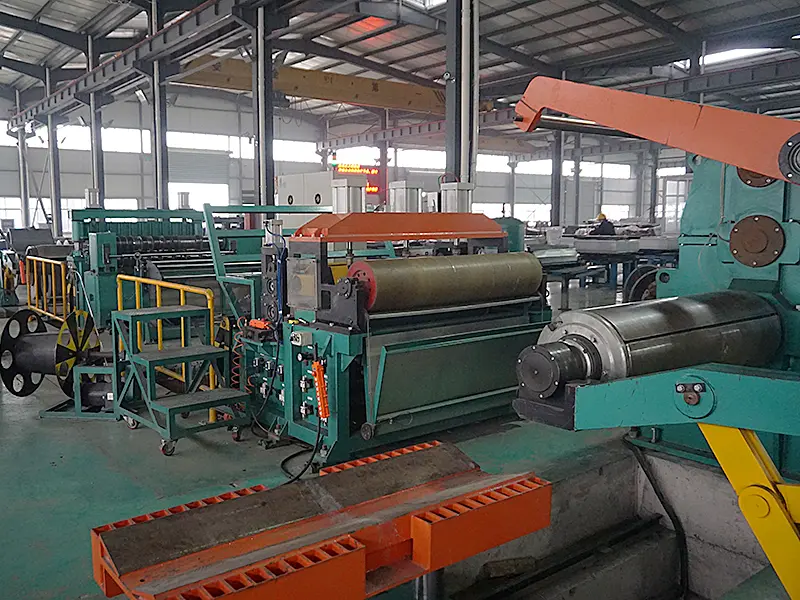
Material Selection: High-grade silicon steel and specialized insulation materials are compatible with the rolling process.
The three-dimensional wound core transformer process places even more stringent demands on the material. Continuous rolling and overall structural characteristics require the material to possess greater flexibility and durability.
Coil Assembly: Coaxial Alignment with the Core Reduces Leakage Reactance
The assembly process for three-dimensional wound core transformers emphasizes the coaxiality of the core and coil. Because the monolithic core structure precludes post-processing adjustments to the magnetic circuit.
Quality Inspection: Dedicated Testing Methods for Overall Core Performance
Due to the unique structure of the 3D wound core, traditional testing methods (such as single-piece loss testing for laminated cores) are no longer applicable. Dedicated process testing methods are required.
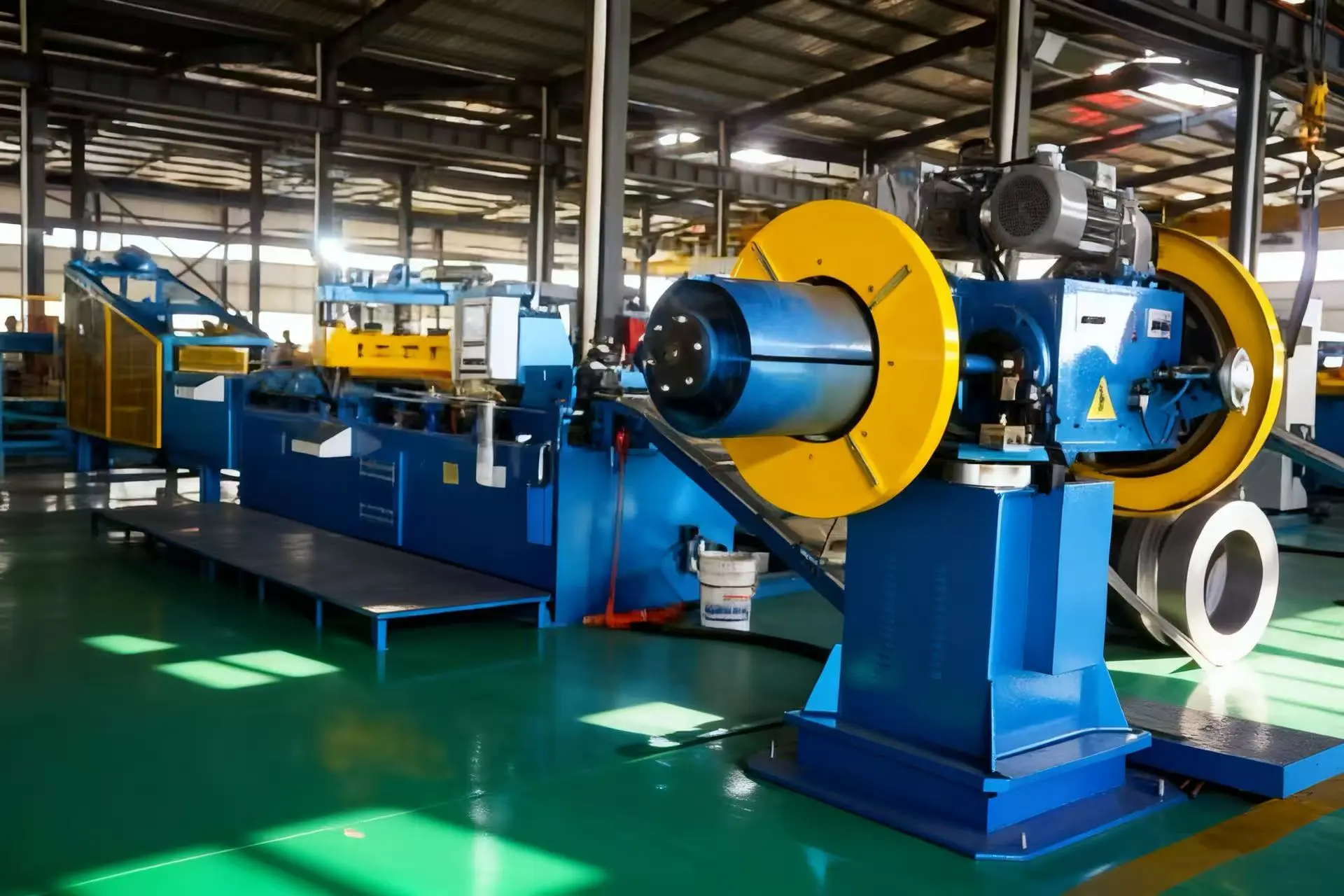
Process Challenges: High Dependence on Automation and Tight Tolerance Control
Although 3D wound-core transformers offer significant performance advantages, their manufacturing process still presents unique challenges.