


0102030405
Silicon Steel Oscillating Shear Machine Revolutionizes Transformer Core Manufacturing
2026-01-04
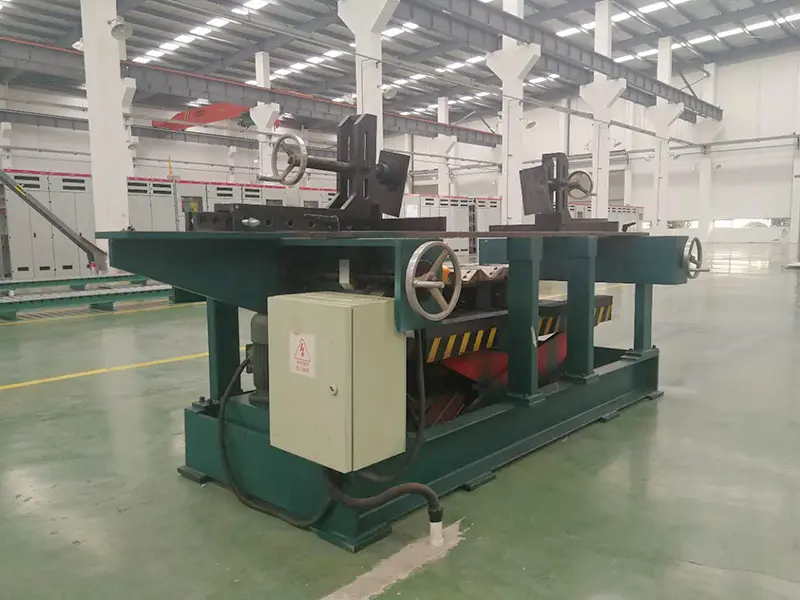
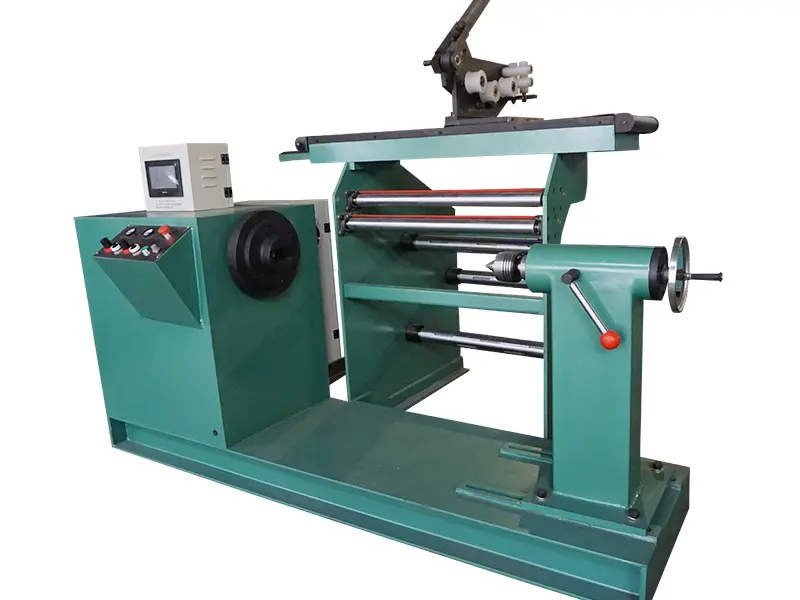
Against the backdrop of global energy transition and continuous upgrading of power infrastructure, transformers, as the core of the power system, are attracting significant attention regarding innovations in their manufacturing processes. The performance of the transformer core directly determines the energy efficiency and reliability of the transformer, and the key to core manufacturing lies in the precision processing of silicon steel sheets. The limitations of traditional cutting methods in terms of accuracy, efficiency, and consistency have become a bottleneck for improving quality and efficiency in the industry. In this context, the Transformer Core Cutting Machine, which integrates high precision, high efficiency, and high automation, is driving transformer core manufacturing to a new stage.
Oscillating Shear Technology: The Core of Achieving Complex Lamination Structures
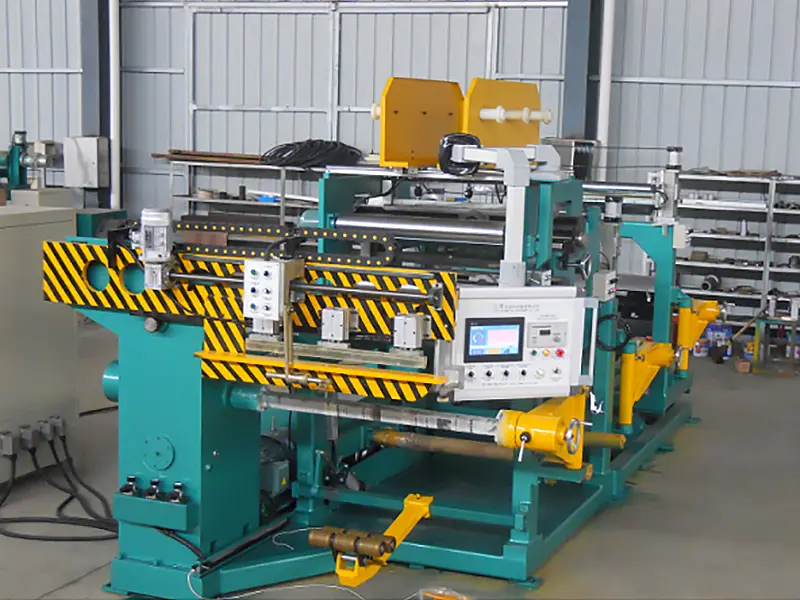
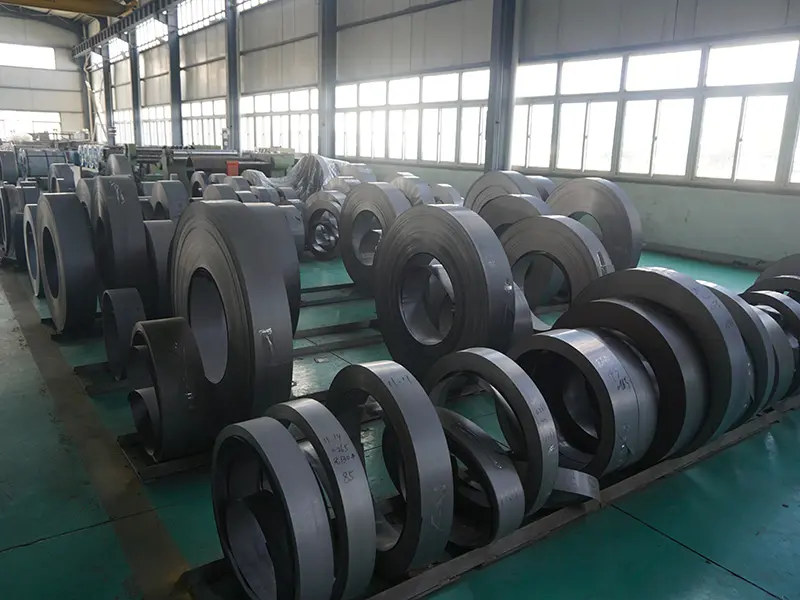
Transformer cores, especially stepped-lamination cores, require silicon steel sheets to be cut into various specific angles and lengths before precise stacking. Traditional fixed-angle cutting methods cannot meet the requirements of multi-angle, high-precision cutting. The core breakthrough of the silicon steel oscillating shear machine lies in its advanced servo-driven oscillating shear mechanism. This mechanism allows the cutting blade to dynamically adjust its angle during operation, with a rotational angle accuracy of up to ±0.1 degrees, perfectly adapting to the needs of different lamination designs.
Combined with a high-speed servo feeding system (speed up to 100 meters/minute, accuracy ±0.02 mm), the equipment achieves precise fixed-length cutting of widths from 200 mm to 5000 mm, with a fixed-length accuracy of up to ±0.025 mm. At the same time, it strictly controls cutting burrs to less than 0.02 mm, significantly improving the flatness and tightness of the silicon steel sheet stacking, thereby effectively reducing core loss and noise during future transformer operation.
Fully Automatic Intelligent Production: Guaranteeing Efficiency and Consistency
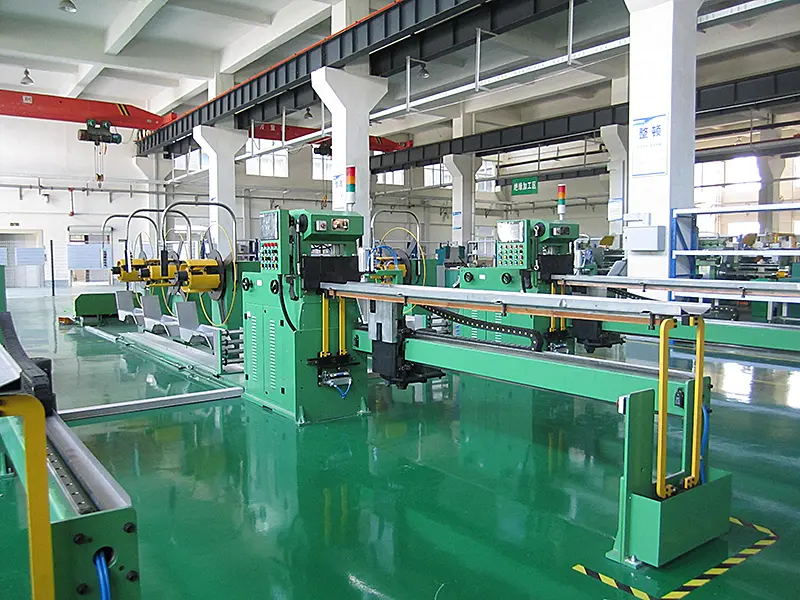
Modern Transformer Core Cutting Machines have deeply integrated automation and intelligent control. The equipment integrates a high-performance PLC (Programmable Logic Controller) and a user-friendly touchscreen human-machine interface (HMI), enabling full-process parameter presetting and one-button operation. Operators can directly set all parameters, such as cutting length, angle, punching position, and V-notch on the touchscreen, and the system will automatically execute the process, greatly reducing human intervention and errors.
This equipment typically integrates online punching and V-notch cutting functions, supporting punching diameters of 8-20 mm and high-precision V-groove cutting, with positional tolerance controlled within ±0.05 mm. This achieves combined punching and cutting processing, reducing material handling and secondary positioning. The optional fully automatic stacking and separation device further realizes a fully automated closed-loop process from cutting to collection, with a production speed of 30-60 pieces per minute, significantly improving overall production efficiency and operational safety.
Cutting-edge Hardware and Durable Design: The Cornerstone of Reliable Operation
The long-term stable operation of the equipment depends on the quality of its core hardware and the durability of its overall structure. The key moving parts of top-tier Transformer Core Cutting Machines often utilize imported high-precision linear guides and ball screws, ensuring rigidity and positioning accuracy during long-term high-speed operation. Cutting blades, punches, and dies are generally made of high-hardness cemented carbide material, offering excellent wear resistance. The lifespan of a single sharpening can exceed 1.2 million to 2 million cycles, and they can be repeatedly resharpened, significantly reducing consumable costs and downtime.
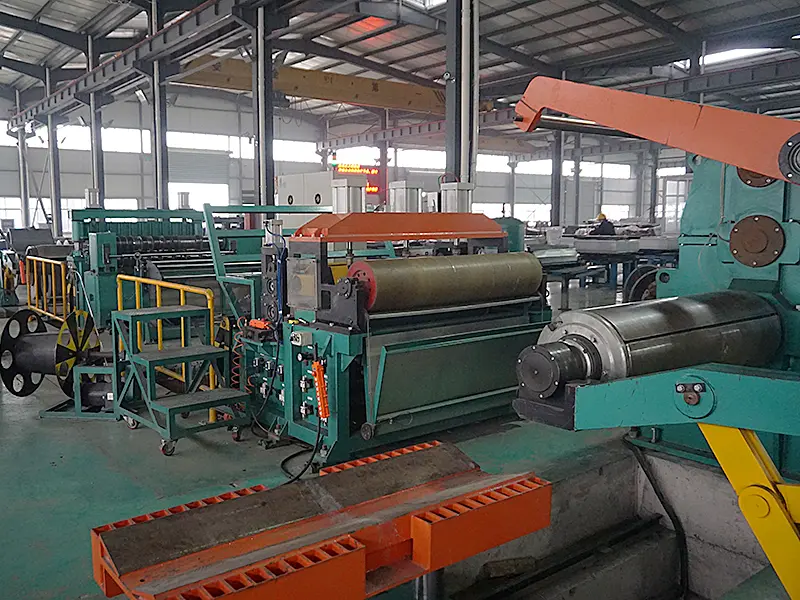
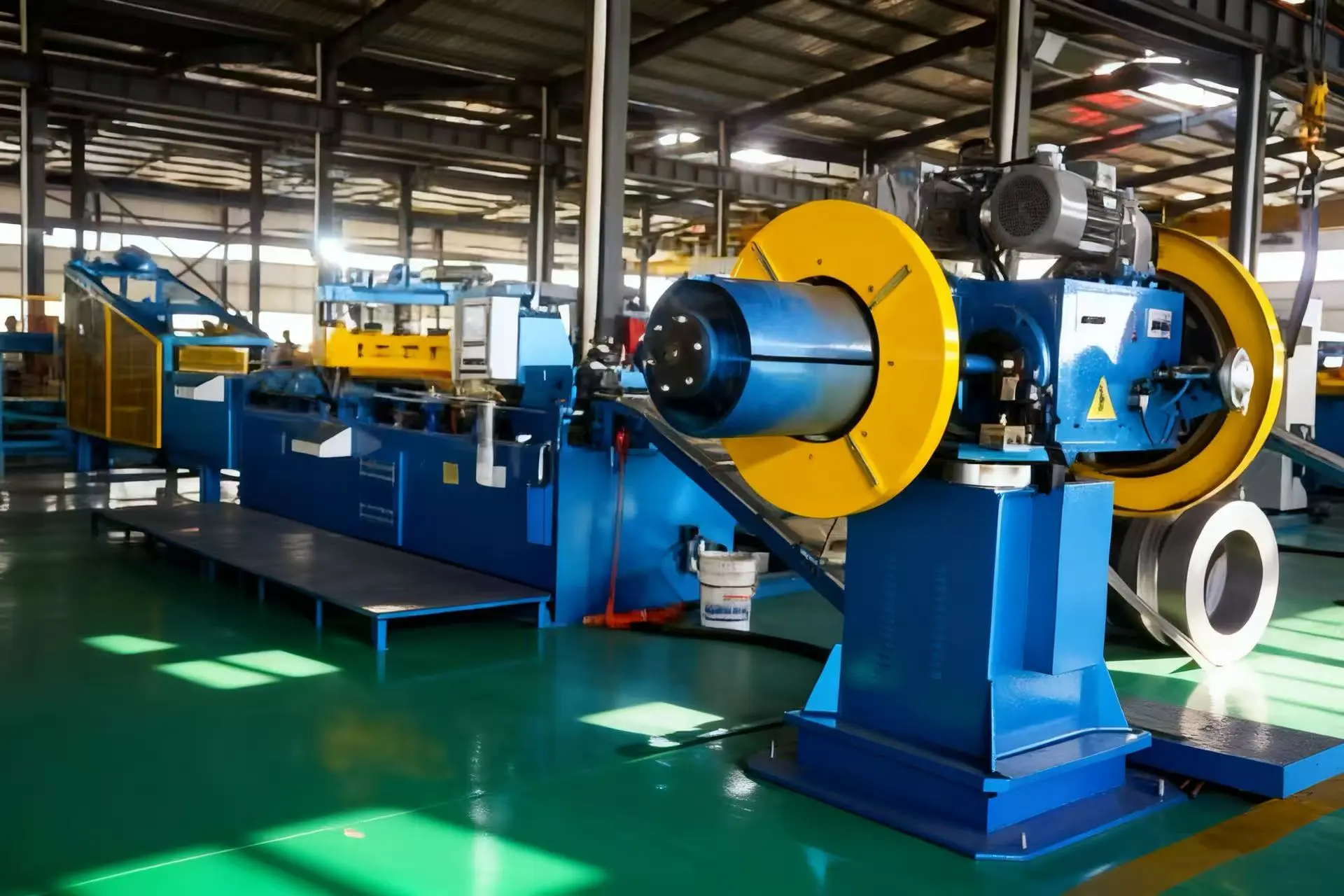
In terms of the drive system, the equipment mostly uses high-performance AC servo motors (such as Delta servos) and branded variable frequency motors, which have the advantages of fast response, accurate positioning, low heat loss, and low noise. From unwinding and feeding to positioning, shearing, and stacking, each station is precisely synchronized through an intelligent control system, ensuring the continuity and stability of the production process. This design, focused on durability, ensures that the equipment can maintain high-precision output in a continuous production environment.
A Key Force Driving Sustainable Industry Development
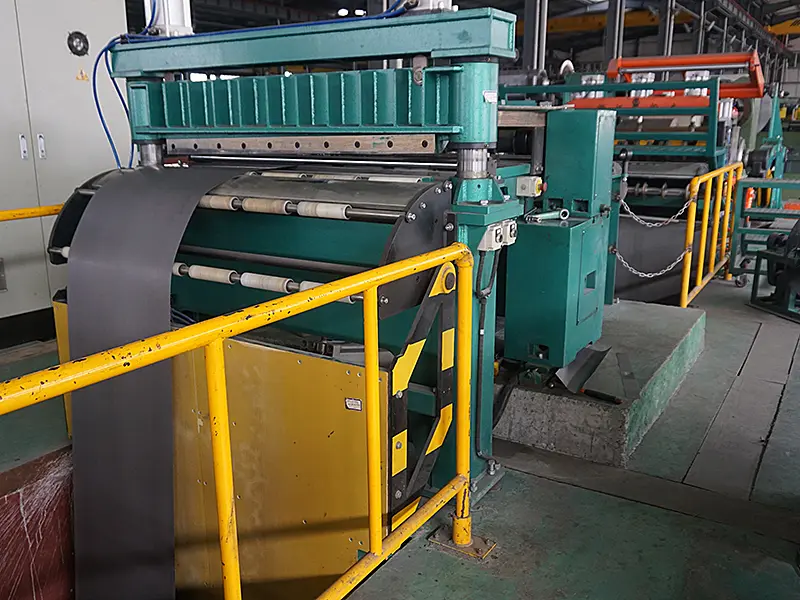
The application of silicon steel shearing machines has extended beyond traditional transformer core manufacturing to core production areas of various electromagnetic equipment such as reactors and welding machines. With the rapid development of new energy power generation, electric vehicle charging networks, and smart grids, the market demand for high-efficiency and energy-saving transformers has surged, bringing broad prospects for high-precision cutting equipment.
In the future, combined with the Industrial Internet of Things (IIoT) and data intelligence, transformer core cutting machines will evolve towards higher levels of intelligence, including predictive maintenance, adaptive optimization of process parameters, and remote monitoring. The Transformer Core Cutting Machine is not only a powerful tool for improving individual manufacturing processes, but also a core driving force for transforming the entire power equipment manufacturing industry towards high quality, high efficiency, and low loss. For manufacturing companies, investing in such advanced equipment is a strategic choice for building core competitiveness and meeting the challenges of energy transformation, and will undoubtedly inject strong momentum into the sustainable development of the industry.